



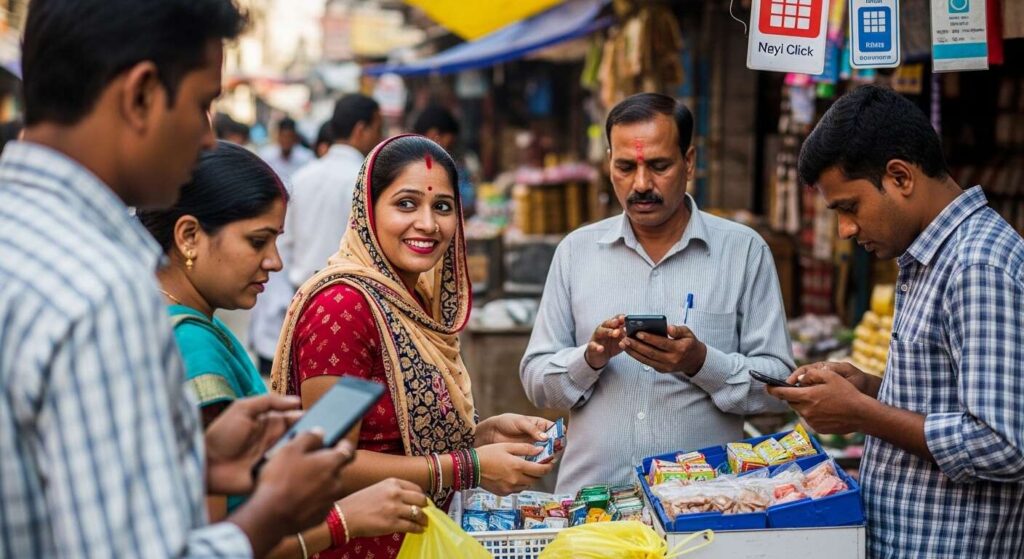
Britain’s recent admiration for India’s Aadhaar digital identification programme has sparked considerable debate amongst policy experts and civil rights advocates. Whilst government officials have lauded the system’s technological sophistication and scale, covering over 1.3 billion Indian citizens, mounting evidence reveals a troubling reality. Millions of vulnerable individuals have been systematically denied access to essential welfare benefits, food rations, and healthcare services due to technical failures, authentication errors, and infrastructure limitations inherent in the mandatory biometric system.
UK’s Endorsement of India’s ID System
Political and Technological Recognition
British policymakers have expressed significant interest in replicating elements of India’s Aadhaar framework for domestic digital identity initiatives. The system’s ability to provide unique 12-digit identification numbers linked to biometric data has been presented as a model for streamlining public services and reducing administrative costs. Senior officials have praised the programme’s technological ambition and its potential to modernise government-citizen interactions.
The Appeal of Centralised Systems
The UK government’s enthusiasm stems from several perceived advantages:
- Reduction in fraudulent benefit claims through biometric verification
- Streamlined delivery of public services across multiple agencies
- Cost savings through elimination of duplicate records and administrative inefficiencies
- Enhanced data sharing capabilities between government departments
This endorsement has occurred despite warnings from civil liberties organisations and technology experts who have documented systematic failures within the Indian implementation. The contrast between official praise and documented problems raises questions about whether policymakers have thoroughly examined the system’s real-world consequences.
The Promises of the Aadhaar System
Original Objectives and Scope
Launched as the Unique Identification Authority of India initiative, Aadhaar was designed to provide every resident with a verifiable digital identity. Proponents argued this would revolutionise welfare distribution by eliminating middlemen, reducing corruption, and ensuring benefits reached intended recipients. The system promised to bring financial inclusion to marginalised communities previously excluded from formal banking and government services.
Technological Infrastructure
The programme’s technical specifications include:
| Component | Description |
|---|---|
| Biometric Data | Ten fingerprints, two iris scans, facial photograph |
| Coverage | Over 1.3 billion enrolled residents |
| Authentication Points | Distributed across government offices, banks, and service centres |
| Database | Centralised repository managed by government authority |
Advocates maintained that this comprehensive approach would create an efficient, corruption-free system for delivering government services whilst simultaneously enabling private sector innovation in financial technology.
Issues of Social Exclusion
Technical Failures and Authentication Problems
Research conducted by civil society organisations has documented widespread authentication failures affecting the most vulnerable populations. Elderly citizens, manual labourers with worn fingerprints, and individuals with certain medical conditions frequently cannot complete biometric verification. Rural areas with unreliable electricity and internet connectivity experience particularly high failure rates, leaving residents unable to access services despite possessing valid Aadhaar cards.
Systematic Denial of Benefits
Multiple studies have revealed that mandatory Aadhaar linking has resulted in exclusion of legitimate beneficiaries from essential programmes:
- Pensioners denied monthly payments due to authentication failures
- Children removed from school meal programmes following database errors
- Families unable to purchase subsidised food rations at public distribution centres
- Pregnant women refused maternity benefits because of technical glitches
- Disabled individuals losing access to disability allowances
These exclusions disproportionately affect marginalised communities, including tribal populations, migrants, homeless individuals, and those living in remote areas with limited technological infrastructure. The very groups the system purportedly aimed to help have become its primary victims.
Consequences for Access to Social Rights
Impact on Food Security
The linkage of Aadhaar to the Public Distribution System, which provides subsidised food grains to millions, has had devastating consequences. Documented cases include families going hungry when authentication systems malfunction and individuals dying from starvation after being denied rations. The requirement for real-time biometric verification at distribution points has created bottlenecks and excluded those whose biometrics cannot be read.
Healthcare Access Barriers
Medical services increasingly require Aadhaar authentication, creating critical delays in emergency situations. Patients have been turned away from hospitals, pregnant women denied care during labour, and chronically ill individuals unable to access medications. The insistence on digital verification has prioritised administrative convenience over fundamental healthcare rights.
Financial Exclusion
Banking services and financial transactions now frequently mandate Aadhaar linkage, paradoxically excluding those the system aimed to include. Individuals without stable addresses, migrants moving for work, and those with database errors find themselves unable to open accounts or access their own funds.
Considered Solutions for Better Inclusion
Alternative Verification Methods
Experts recommend implementing multiple authentication pathways to prevent exclusion. These include accepting traditional identity documents, allowing manual verification processes, and ensuring biometric failures do not automatically result in service denial. Creating robust exception-handling mechanisms would protect vulnerable populations whilst maintaining system integrity.
Infrastructure Improvements
Addressing technical limitations requires substantial investment in:
- Reliable electricity supply in rural authentication centres
- Stable internet connectivity across all service delivery points
- Regular maintenance and calibration of biometric devices
- Training for operators to handle authentication failures appropriately
- Offline authentication capabilities for areas with connectivity issues
Legal and Policy Reforms
Civil rights advocates argue that mandatory Aadhaar requirements should be rolled back for essential services. Proposed reforms include making the system voluntary, strengthening data protection legislation, establishing independent oversight bodies, and creating accessible grievance redressal mechanisms for those wrongly excluded from benefits.
The Debate Over Digital Identity in India
Privacy and Surveillance Concerns
Beyond exclusion issues, the Aadhaar system faces sustained criticism regarding privacy violations and surveillance capabilities. The centralised database containing biometric information on virtually the entire population presents significant security risks. Multiple data breaches have exposed personal information, whilst the lack of comprehensive data protection legislation leaves citizens vulnerable to misuse.
Lessons for Other Nations
The Indian experience offers crucial lessons for countries considering similar systems. The UK’s interest in digital identity programmes must be tempered by understanding the real-world consequences of mandatory biometric systems. Effective safeguards, voluntary participation, alternative authentication methods, and robust legal protections are essential prerequisites for any digital identity initiative that claims to serve public welfare rather than undermine it.
As governments worldwide pursue digital transformation, the documented failures of Aadhaar demonstrate that technological sophistication alone cannot guarantee equitable outcomes. Without careful attention to inclusion, accessibility, and rights protection, digital identity systems risk becoming instruments of exclusion rather than enablers of universal access to services.
India’s Aadhaar programme illustrates the profound gap between technological ambition and social reality. Whilst the UK and other nations admire the system’s scale and technical achievements, millions of Indians continue facing exclusion from essential services due to authentication failures and infrastructure limitations. The documented consequences for food security, healthcare access, and financial inclusion reveal fundamental flaws in mandatory biometric systems. Any country considering similar initiatives must prioritise robust safeguards, alternative verification methods, and voluntary participation to prevent replicating these failures. Digital identity systems should expand access to rights and services, not create new barriers for the most vulnerable populations they purport to serve.