



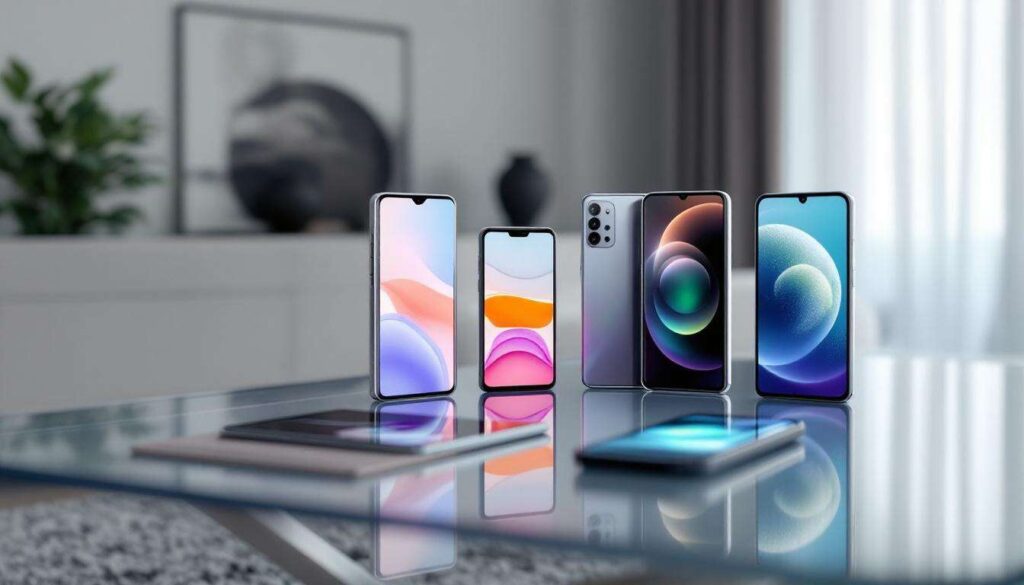
The smartphone market has long been dominated by two titans, yet recent reliability data reveals a surprising contender challenging this duopoly. As consumers increasingly prioritise longevity and durability over flashy features, understanding which brands deliver genuine reliability has become essential. Independent after-sales service data now provides concrete evidence about which manufacturers produce the most dependable devices, and the results may challenge conventional wisdom about smartphone quality.
The Rise of Alternative Brands
Honor’s Emergence as a Reliability Contender
The smartphone landscape has witnessed a remarkable shift as brands previously considered secondary players demonstrate impressive reliability credentials. Honor, in particular, has secured second place in durability rankings, positioning itself between the traditional market leaders. This achievement represents a significant milestone for a brand that has only recently established its independence in the global market.
Several factors contribute to this unexpected rise:
- Enhanced quality control processes during manufacturing
- Investment in robust component selection
- Improved after-sales support infrastructure
- Competitive pricing without compromising build quality
The Changing Consumer Landscape
Consumers are increasingly willing to explore brands beyond the established duopoly, particularly when reliability data supports these alternatives. The traditional perception that only premium-priced devices from major manufacturers offer dependability has been challenged by empirical evidence from after-sales service centres. This shift reflects a broader market maturation where brand loyalty gives way to evidence-based purchasing decisions.
Understanding what constitutes genuine reliability requires examining specific measurable criteria rather than relying on brand reputation alone.
Criteria for Smartphone Reliability
Measuring Durability Through Real-World Data
Reliability assessments based on actual after-sales service interventions provide the most accurate picture of smartphone durability. These measurements track how frequently devices require repairs, which components fail most often, and how long devices typically remain functional without intervention. Unlike manufacturer claims or laboratory stress tests, this data reflects genuine user experiences across diverse conditions.
| Reliability Factor | Measurement Method | Impact on Longevity |
|---|---|---|
| Hardware durability | Failure rate analysis | High |
| Repairability | Service intervention complexity | Medium |
| Component quality | Spare parts replacement frequency | High |
| Software stability | System crash reports | Medium |
Key Performance Indicators
The most reliable smartphones demonstrate consistent performance across multiple indicators. Devices from leading brands typically exhibit lower failure rates across critical systems including power management, display integrity, and processing stability. The integration between hardware and software plays a crucial role, as seamless coordination between these elements reduces stress on individual components.
However, even the most reliable devices experience certain common issues that users should understand and potentially prevent.
The Most Common Failures and How to Avoid Them
The Five Most Frequent Smartphone Problems
After-sales service data reveals a consistent pattern of smartphone failures across all brands. Understanding these common issues enables users to take preventative measures:
| Failure Type | Frequency | Primary Cause |
|---|---|---|
| Device won’t power on | 28% | Battery depletion or system crash |
| Charging problems | 22% | Port damage or cable issues |
| Display defects | 18% | Physical damage or component failure |
| Sound issues | 17% | Speaker failure or software glitches |
| Frozen screens | 15% | Software conflicts or memory overload |
Preventative Maintenance Strategies
Technical experts recommend several straightforward practices that significantly extend smartphone lifespan. These measures address the most common failure points whilst requiring minimal effort from users:
- Charge devices before battery levels reach critically low thresholds
- Restart the device regularly when functions become unresponsive
- Install software updates promptly to maintain system stability
- Use quality charging cables and avoid extreme temperatures
- Clean charging ports carefully to prevent connection issues
Implementing these practices not only extends device longevity but also contributes to reducing electronic waste, an increasingly important environmental consideration. Beyond maintenance, consumers must also evaluate which brands deliver optimal value relative to their investment.
Which Brands Offer the Best Value for Money ?
Balancing Cost Against Reliability
The relationship between price and reliability presents a complex equation for consumers. Whilst premium brands command higher initial costs, their superior durability often translates to lower total cost of ownership over the device’s lifespan. However, emerging brands like Honor demonstrate that competitive pricing need not compromise reliability standards.
Service intervention data reveals that only 12% of repairs require spare parts, whilst 88% involve software fixes or minor adjustments. The average cost of necessary spare parts represents merely 2% of a new device’s price, making repair considerably more economical and sustainable than replacement.
Long-Term Cost Considerations
Evaluating true value requires examining multiple cost factors beyond the initial purchase price:
- Expected device lifespan before major failures
- Availability and cost of repair services
- Resale value after typical usage periods
- Software support duration and update quality
- Accessory compatibility and replacement costs
These considerations reveal that mid-range devices from reliable manufacturers often provide superior value compared to flagship models with marginal performance advantages. The role of software updates in maintaining this value proposition cannot be overstated.
The Impact of Updates on Smartphone Longevity
Software Support as a Reliability Factor
Regular software updates represent a critical component of smartphone reliability, yet this factor often receives insufficient attention in purchasing decisions. Updates address security vulnerabilities, optimise system performance, and ensure compatibility with evolving applications. Manufacturers committed to extended update schedules effectively prolong device usability far beyond the hardware’s physical limitations.
The integration between hardware and software particularly influences reliability. Brands that control both elements typically deliver more stable, optimised experiences that reduce system strain and component stress. This integration explains why certain manufacturers consistently achieve superior reliability ratings despite using similar component suppliers as competitors.
Update Policies and Device Lifespan
Consumers should prioritise brands offering comprehensive update commitments. Devices receiving regular updates for extended periods maintain security, performance, and compatibility, effectively extending their practical lifespan. This consideration becomes particularly relevant when evaluating refurbished devices, where software support determines whether older models remain viable options.
The Best Brands for Refurbished Phones
Reliability in the Secondary Market
The refurbished smartphone market offers compelling opportunities for consumers seeking reliable devices at reduced costs. Brands with superior initial build quality and extended software support translate particularly well to the secondary market. Devices from manufacturers ranking highly in durability assessments maintain functionality and security even after years of use.
When considering refurbished options, consumers should prioritise:
- Brands with proven durability records
- Models still receiving software updates
- Devices with readily available spare parts
- Manufacturers offering repairability-friendly designs
The combination of proven reliability and continued software support makes certain brands particularly suitable for refurbished purchases, offering substantial savings without compromising essential functionality or security.
The smartphone reliability landscape reveals that whilst established brands maintain strong positions, alternative manufacturers are demonstrating comparable durability credentials. iPhone leads current rankings, yet Honor’s second-place position challenges traditional market assumptions. Consumers benefit from evaluating reliability through empirical after-sales data rather than brand reputation alone. Preventative maintenance practices significantly extend device lifespan regardless of manufacturer, whilst regular software updates prove essential for long-term reliability. The economic and environmental advantages of repair over replacement, combined with the viability of refurbished devices from reliable brands, provide consumers with diverse options for obtaining dependable smartphones that match their specific requirements and budget constraints.