



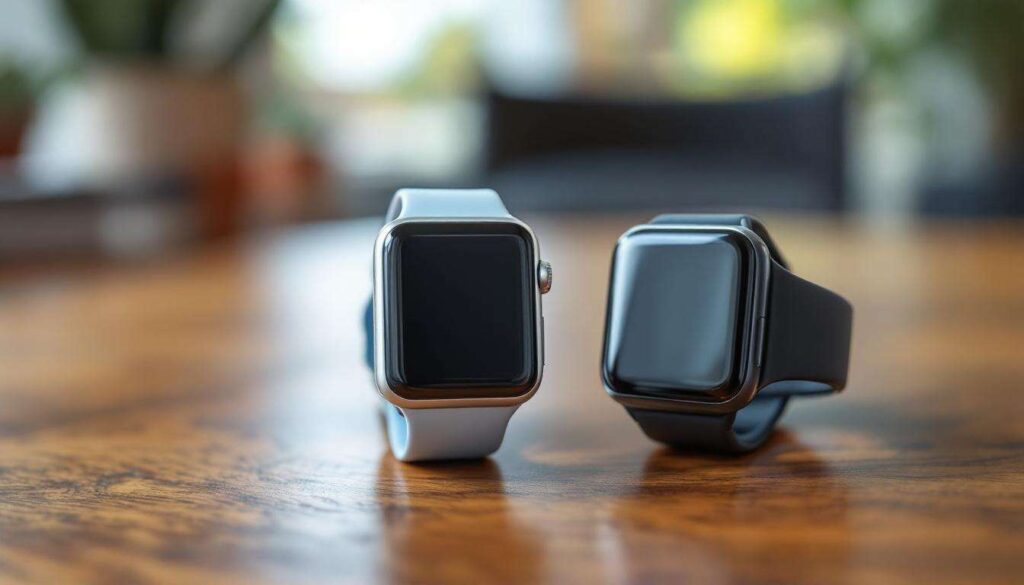
Choosing the right smartwatch can feel overwhelming when two tech giants offer compelling devices packed with features. Both Apple and Samsung have carved out dominant positions in the wearable market, each bringing distinct advantages to users seeking functionality, style, and value. Understanding what sets these devices apart helps consumers make informed decisions based on their specific needs and existing technology ecosystems.
Introduction to the two giants of the smartwatch world
Apple’s pioneering role in wearable technology
Apple entered the smartwatch market with a vision to create a device that seamlessly extends the iPhone experience to the wrist. The Apple Watch has evolved through multiple generations, each iteration refining health tracking capabilities, display technology, and processing power. The brand’s commitment to user experience and ecosystem integration has positioned it as the market leader in premium wearables.
Samsung’s competitive response with Galaxy Watch
Samsung recognised the growing demand for sophisticated wearables and developed the Galaxy Watch series to serve Android users seeking alternatives to Apple’s offerings. The Galaxy Watch line emphasises versatility and compatibility across various Android devices, offering users freedom from platform restrictions whilst delivering robust health monitoring and connectivity features.
Market positioning and target audiences
These two manufacturers target slightly different demographics despite overlapping features. Apple focuses on users already invested in its ecosystem, whilst Samsung appeals to the broader Android market. Both brands offer multiple models at various price points, from budget-friendly options to premium devices with advanced capabilities.
Understanding these fundamental differences sets the stage for examining how each brand approaches design philosophy and display technology.
Design and display: a contest of styles
Distinctive design philosophies
The most immediately noticeable difference lies in form factor. Apple maintains its rectangular design with rounded corners, creating a modern aesthetic that maximises screen real estate. Samsung offers both circular and rectangular options, with the circular Galaxy Watch models appealing to those preferring traditional watch aesthetics.
- Apple Watch features an Always-On Retina display with exceptional brightness
- Galaxy Watch utilises Super AMOLED technology for vibrant colours and deep blacks
- Both manufacturers offer customisable watch faces and interchangeable bands
- Premium materials including stainless steel, titanium, and ceramic options
Display technology comparison
| Feature | Apple Watch | Galaxy Watch |
|---|---|---|
| Display type | LTPO OLED Retina | Super AMOLED |
| Always-on capability | Yes (recent models) | Yes |
| Brightness | Up to 2000 nits | Up to 2000 nits |
| Durability | Sapphire crystal option | Gorilla Glass protection |
Comfort and wearability
Both manufacturers prioritise comfort for extended wear, essential for devices tracking sleep and 24-hour health metrics. Apple Watch models tend to sit flatter on the wrist, whilst Galaxy Watch circular designs may feel more substantial. Weight varies across models, with both brands offering lightweight aluminium options alongside heavier premium materials.
Beyond aesthetics, the practical aspects of health monitoring distinguish these devices in meaningful ways.
Health and fitness features
Core health monitoring capabilities
Both smartwatches excel at fundamental health tracking, though each prioritises different features. The Apple Watch offers comprehensive ECG monitoring, blood oxygen measurement, and irregular heart rhythm notifications. Samsung’s Galaxy Watch provides similar capabilities with added emphasis on body composition analysis in certain models.
- Heart rate monitoring with continuous tracking
- Sleep tracking with detailed sleep stage analysis
- Stress monitoring and guided breathing exercises
- Menstrual cycle tracking and predictions
- Fall detection with emergency calling features
Fitness tracking and workout modes
Active users benefit from extensive workout recognition on both platforms. Apple Watch automatically detects common exercises and provides detailed metrics for running, cycling, swimming, and high-intensity interval training. Galaxy Watch matches these capabilities whilst adding unique features like running coaching and advanced metrics for serious athletes.
| Fitness feature | Apple Watch | Galaxy Watch |
|---|---|---|
| Automatic workout detection | Yes | Yes |
| GPS accuracy | Excellent | Excellent |
| Water resistance | 50 metres | 50 metres |
| Third-party app support | Extensive | Growing |
Advanced health features
Recent iterations introduce sophisticated monitoring tools. Apple’s temperature sensing aids cycle tracking and general wellness monitoring. Samsung incorporates bioelectrical impedance analysis in select models, measuring body fat percentage and skeletal muscle mass directly from the wrist.
Whilst health features impress, practical daily use depends heavily on battery performance.
Battery life: which one goes the distance ?
Real-world battery performance
Battery longevity represents a significant differentiator between these devices. The Galaxy Watch typically delivers superior endurance, with many models lasting two to three days on a single charge with moderate use. Apple Watch generally requires daily charging, though recent models extend usage to approximately 18-36 hours depending on features enabled.
Factors affecting battery duration
- Always-on display settings significantly impact battery consumption
- GPS usage during workouts drains power rapidly
- Cellular connectivity reduces battery life compared to Bluetooth-only models
- Notification frequency and app usage patterns affect longevity
- Screen brightness settings influence daily endurance
Charging solutions and convenience
Both manufacturers provide proprietary charging solutions. Apple uses magnetic charging pucks with fast-charging capabilities on newer models, delivering hours of use from brief charging sessions. Samsung employs wireless charging with reverse wireless charging support on compatible Galaxy smartphones, adding convenience for users within that ecosystem.
| Battery aspect | Apple Watch | Galaxy Watch |
|---|---|---|
| Typical battery life | 18-36 hours | 2-3 days |
| Fast charging | Yes (recent models) | Yes |
| Low power mode | Available | Available |
Battery considerations connect directly to overall value, making pricing analysis essential for purchase decisions.
Pricing: which watch offers the best value for money ?
Entry-level options
Budget-conscious consumers find accessible entry points with both brands. The Apple Watch SE provides core functionality at a reduced price point, omitting premium features like always-on display and ECG monitoring. Samsung’s Galaxy Watch FE similarly targets cost-conscious buyers whilst maintaining essential health tracking and connectivity features.
Mid-range and premium pricing
| Price category | Apple Watch models | Galaxy Watch models |
|---|---|---|
| Budget | £259-£299 | £199-£249 |
| Mid-range | £399-£499 | £279-£379 |
| Premium | £699-£799+ | £399-£599 |
Value considerations beyond initial cost
Determining true value requires examining factors beyond purchase price. Apple Watch benefits from longer software support cycles, with devices receiving updates for several years. Galaxy Watch similarly provides extended support, though historically shorter than Apple’s commitment. Both require proprietary accessories, with Apple’s ecosystem generally commanding premium prices for bands and charging solutions.
- Resale value remains higher for Apple Watch models
- Cellular models require additional monthly carrier fees
- Third-party band options cost considerably less than official alternatives
- AppleCare+ and Samsung Care+ extended warranties add ongoing costs
Pricing decisions intertwine closely with smartphone ownership and broader technology preferences.
Integration of the Apple and Android ecosystems
Platform compatibility requirements
The most critical consideration involves smartphone compatibility. Apple Watch requires an iPhone, functioning exclusively within Apple’s ecosystem. This limitation ensures seamless integration but excludes Android users entirely. Galaxy Watch works primarily with Android devices but offers limited functionality with iPhones, making it a more flexible option for users who may switch platforms.
Ecosystem advantages
Deep integration delivers substantial benefits for committed users. Apple Watch unlocks Macs, controls HomeKit devices, and synchronises health data across all Apple products through iCloud. Galaxy Watch similarly integrates with Samsung’s SmartThings ecosystem, controlling compatible home devices and synchronising with Samsung Health across tablets and smartphones.
- Automatic app installation from paired smartphones
- Seamless handoff of calls, messages, and notifications
- Unified health data across devices and platforms
- Voice assistant integration with Siri or Google Assistant
- Payment systems tied to existing accounts
Third-party application support
App availability influences daily functionality significantly. The Apple Watch benefits from extensive developer support, with thousands of optimised applications available. Galaxy Watch’s app selection continues growing but remains more limited, particularly for niche applications. Both platforms support essential apps for fitness tracking, productivity, and communication.
Selecting between these impressive devices ultimately depends on individual priorities, existing technology investments, and specific feature requirements. Apple Watch delivers unmatched ecosystem integration for iPhone users, superior app selection, and refined health monitoring capabilities. Galaxy Watch counters with longer battery life, greater platform flexibility, and competitive pricing across its range. Neither option disappoints, but the right choice aligns with personal preferences and technological environment.