



The surge in popularity of wearable technology has left many consumers wondering which device best suits their lifestyle. Whether you’re an athlete tracking performance metrics or a professional seeking seamless connectivity, understanding the distinctions between smartwatches and fitness trackers is essential for making an informed purchase decision. Both categories offer health monitoring capabilities, yet they serve fundamentally different purposes and cater to distinct user preferences.
Key differences between smartwatches and fitness trackers
Design and display characteristics
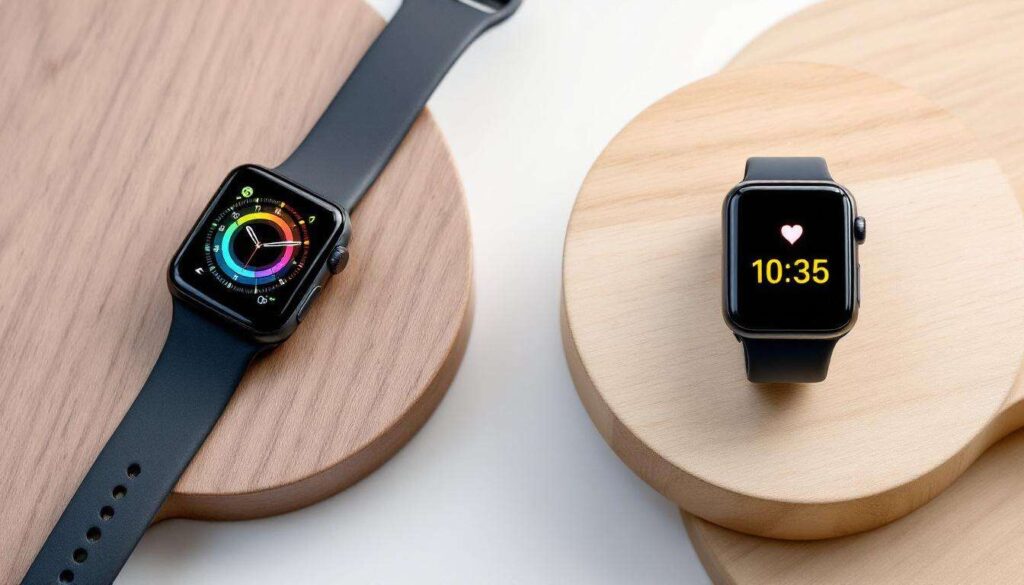
Fitness trackers typically feature slim, lightweight profiles with smaller displays that prioritise comfort during extended wear. Many models utilise monochrome or basic colour screens that conserve battery life whilst displaying essential metrics. Smartwatches, conversely, boast larger touchscreens with vibrant displays that support full-colour graphics and complex interfaces, resembling miniature smartphones strapped to your wrist.
Functional scope and capabilities
The primary distinction lies in their intended purpose. Fitness trackers concentrate exclusively on health and activity monitoring, delivering accurate data on:
- Step counting and distance travelled
- Calories burned throughout the day
- Heart rate monitoring during rest and exercise
- Sleep quality analysis and patterns
- Basic workout tracking for common activities
Smartwatches extend far beyond fitness metrics, functioning as comprehensive communication hubs that enable users to manage calls, respond to messages, control music playback, and access numerous third-party applications. They essentially replicate many smartphone functions directly from your wrist.
Battery performance comparison
Battery longevity represents a significant differentiator between these devices. The following table illustrates typical battery performance:
| Device type | Average battery life | Charging frequency |
|---|---|---|
| Fitness tracker | 5-14 days | Weekly or bi-weekly |
| Smartwatch | 1-3 days | Daily or every other day |
This substantial difference stems from the power requirements of advanced processors, bright displays, and constant connectivity features found in smartwatches. Understanding these fundamental contrasts helps narrow down which category aligns with your expectations regarding functionality and maintenance.
Advantages of fitness trackers
Focused health monitoring without distractions
Fitness trackers excel at providing dedicated health insights without the notification overload that often accompanies smartwatches. This streamlined approach appeals to individuals who value simplicity and purpose-driven technology. By eliminating social media alerts and email notifications, these devices allow users to concentrate purely on wellness objectives.
Extended battery life and convenience
The remarkable battery longevity of fitness trackers means you can wear them continuously for up to two weeks without requiring a charge. This extended runtime proves particularly valuable for:
- Accurate sleep tracking over consecutive nights
- Uninterrupted activity monitoring during travel
- Reduced anxiety about battery depletion
- Minimal disruption to daily routines
Affordability and accessibility
Entry-level fitness trackers from brands such as Fitbit and Amazfit offer excellent value for budget-conscious consumers. Many capable models retail between £30 and £80, making health monitoring accessible to a broader demographic. This price point allows individuals to experiment with wearable technology without substantial financial commitment.
Lightweight comfort for all-day wear
The minimal weight and discreet design of fitness trackers ensure comfortable all-day wear, even during sleep. Their unobtrusive presence makes them ideal for individuals who find bulkier devices irritating or cumbersome during physical activities. The focus on ergonomics means you’ll barely notice wearing one throughout your daily routine.
Whilst fitness trackers offer compelling advantages for health-focused users, those seeking broader functionality may find smartwatches provide a more comprehensive solution to their technological needs.
Advantages of smartwatches
Comprehensive connectivity features
Smartwatches transform your wrist into a communication centre, enabling seamless interaction with your digital life. You can receive and respond to messages, answer phone calls, and manage notifications without retrieving your smartphone. This constant connectivity proves invaluable during meetings, workouts, or situations where accessing your phone proves impractical.
Extensive application ecosystem
The app compatibility of smartwatches from manufacturers like Apple, Samsung, and Garmin provides access to thousands of specialised applications. These range from productivity tools to entertainment options, including:
- Navigation and mapping services with turn-by-turn directions
- Music streaming platforms for offline listening
- Contactless payment systems for convenient transactions
- Weather forecasts and calendar management
- Voice assistants for hands-free control
Advanced health monitoring capabilities
Modern smartwatches incorporate sophisticated health sensors that surpass basic fitness tracker capabilities. Premium models feature electrocardiogram (ECG) monitoring, blood oxygen saturation measurement, and irregular heart rhythm notifications. These medical-grade features provide valuable insights for individuals managing chronic conditions or seeking comprehensive health data.
Customisation and personalisation options
Smartwatches offer extensive customisation through interchangeable watch faces, bands, and interface configurations. This flexibility allows users to adapt their device’s appearance to match different occasions, from professional settings to casual environments. The ability to personalise your smartwatch enhances both aesthetic appeal and functional efficiency.
However, these advanced features come at a premium, making budget considerations an essential factor when determining which device suits your financial circumstances.
Choosing according to your budget
Entry-level options for cost-conscious buyers
For individuals with limited budgets, fitness trackers represent the most economical entry point into wearable technology. Quality devices from established manufacturers retail between £30 and £100, delivering reliable activity tracking without financial strain. These affordable options provide core functionality including step counting, heart rate monitoring, and basic sleep analysis.
Mid-range investment considerations
The £150 to £300 price bracket encompasses advanced fitness trackers and entry-level smartwatches. This segment offers enhanced features such as:
- Built-in GPS for accurate distance tracking
- Water resistance for swimming activities
- Extended battery life with improved displays
- Basic smartphone notifications
Consumers in this category must weigh whether additional smartwatch features justify the increased expenditure compared to premium fitness trackers.
Premium smartwatch investment
High-end smartwatches from Apple, Samsung, and Garmin command prices exceeding £300, with flagship models reaching £600 or more. The following table compares value propositions across price ranges:
| Price range | Device type | Key features |
|---|---|---|
| £30-£100 | Basic fitness tracker | Activity tracking, heart rate, sleep monitoring |
| £150-£300 | Advanced tracker/entry smartwatch | GPS, notifications, enhanced sensors |
| £300+ | Premium smartwatch | Full smartphone integration, ECG, extensive apps |
Your budget allocation should reflect both immediate affordability and long-term value, considering how frequently you’ll utilise advanced features versus basic health tracking capabilities. Beyond financial considerations, ensuring your chosen device works seamlessly with your existing technology ecosystem remains crucial.
Compatibility with mobile devices
Operating system requirements
Device compatibility represents a critical consideration that can limit your options significantly. Apple smartwatches function exclusively with iPhones, creating a closed ecosystem that delivers seamless integration but restricts Android users entirely. Conversely, most fitness trackers and Android-based smartwatches offer cross-platform compatibility, working with both iOS and Android devices through dedicated companion apps.
Synchronisation and data management
Effective wearable technology relies on smooth data synchronisation between your device and smartphone. Consider these compatibility factors:
- Bluetooth version requirements for stable connections
- Companion app availability on your smartphone’s operating system
- Cloud storage integration for long-term data retention
- Third-party app compatibility for comprehensive health tracking
Brand ecosystem considerations
Samsung smartwatches deliver optimal performance when paired with Samsung smartphones, offering exclusive features unavailable to other Android users. Similarly, Garmin devices integrate seamlessly with Garmin’s broader ecosystem of fitness equipment and training platforms. Fitness trackers from Fitbit and Amazfit generally provide more universal compatibility, making them suitable choices for users who frequently change smartphones or prefer flexibility.
Before purchasing, verify that your prospective device supports your current smartphone and operating system version. This due diligence prevents frustrating compatibility issues that could diminish your user experience. Once compatibility is confirmed, identifying which specific features matter most to your lifestyle becomes the final consideration.
Essential features according to your needs
For fitness enthusiasts and athletes
Serious athletes require precision tracking across multiple sport modes, including running, cycling, swimming, and strength training. Look for devices offering:
- Built-in GPS for accurate route mapping without smartphone dependency
- Advanced heart rate zones and VO2 max estimation
- Recovery time recommendations based on workout intensity
- Water resistance rated to at least 5 ATM for swimming
- Training load analysis and performance metrics
Both premium fitness trackers and sports-focused smartwatches from Garmin excel in this category, providing comprehensive athletic insights that casual devices cannot match.
For health-conscious individuals
Those prioritising wellness over athletic performance benefit from devices emphasising continuous health monitoring. Essential features include all-day heart rate tracking, sleep stage analysis, stress monitoring, and menstrual cycle tracking for women. Recent models incorporate blood oxygen saturation sensors and irregular heart rhythm notifications, offering valuable early warning signs of potential health concerns.
For professionals seeking connectivity
Business professionals value seamless communication and productivity features that minimise smartphone dependence during meetings and commutes. Priority features encompass:
- Call answering and voice-to-text message replies
- Calendar synchronisation with meeting reminders
- Email notifications with preview capabilities
- Contactless payment support for quick transactions
- Professional watch face options suitable for formal settings
For casual users monitoring general wellness
Individuals seeking basic activity awareness without overwhelming data require straightforward devices with intuitive interfaces. A simple fitness tracker providing step counts, active minutes, and sleep duration often suffices. These users benefit most from extended battery life and comfortable designs that encourage consistent wear without technological complexity.
Matching device capabilities to your specific requirements ensures you invest in technology that genuinely enhances your daily life rather than becoming an underutilised accessory.
Selecting between a smartwatch and fitness tracker ultimately depends on balancing functionality against simplicity, connectivity against battery life, and comprehensive features against focused health tracking. Fitness trackers serve individuals prioritising wellness monitoring, affordability, and extended battery performance, whilst smartwatches cater to those valuing smartphone integration, extensive applications, and advanced health sensors. Assess your budget constraints, verify compatibility with your existing devices, and honestly evaluate which features align with your lifestyle. By identifying your primary objectives, whether athletic performance, general wellness, or digital connectivity, you can confidently choose the wearable technology that genuinely enhances your daily routine rather than complicating it.