



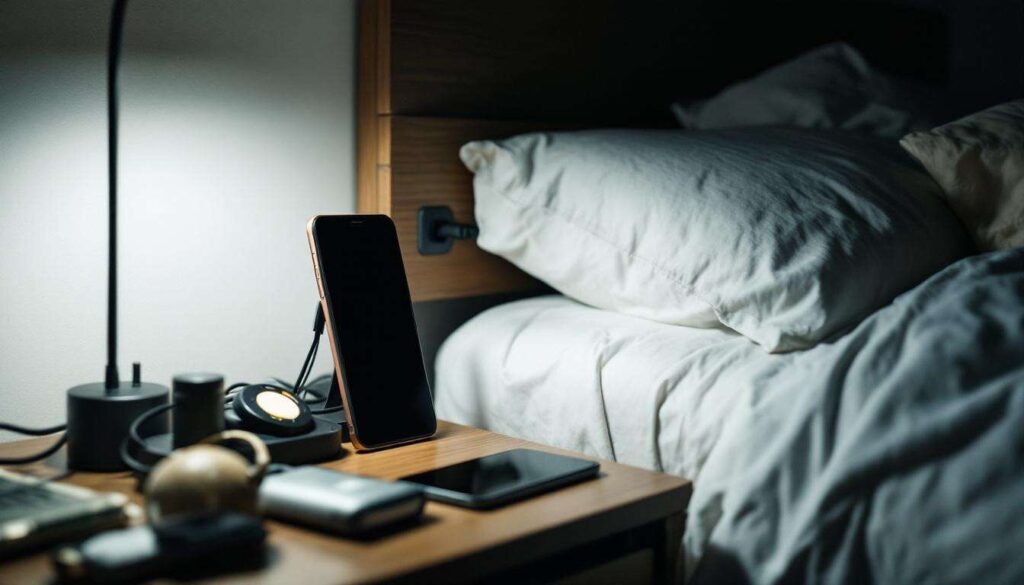
Plugging in your smartphone before bed has become such a routine habit that most people never question where they place their device whilst it charges overnight. Yet this seemingly harmless practice poses genuine risks that fire services and technology experts have been warning about for years. The location where you charge your phone matters far more than you might think, and certain spots in your home could turn a simple charging session into a dangerous situation. From overheating hazards to potential fire risks, understanding where not to charge your device is essential for protecting both your property and your wellbeing.
Understanding the risks of charging your smartphone at night
Heat accumulation during extended charging periods
Smartphones generate heat during the charging process, and this thermal energy needs somewhere to dissipate. When you leave your device plugged in for six to eight hours overnight, the accumulated heat can become problematic, particularly if the phone cannot cool properly. Modern devices include safety features to prevent overcharging, but these mechanisms don’t eliminate heat production entirely. The battery continues to top up periodically throughout the night, creating multiple heating cycles that can stress the device’s components.
Battery degradation and performance issues
Extended overnight charging contributes to long-term battery deterioration through several mechanisms:
- Constant voltage stress on lithium-ion cells reduces their overall lifespan
- Elevated temperatures accelerate chemical reactions that degrade battery capacity
- Repeated charge cycles between 95% and 100% wear down the battery faster than partial charges
- Older devices with worn batteries become more susceptible to swelling and malfunction
Research suggests that keeping your battery between 20% and 80% charge significantly extends its operational life compared to consistently charging to full capacity. The convenience of waking up to a 100% charge comes at the cost of your battery’s longevity.
Electrical faults and component failures
Charging cables and adapters don’t last forever, and their deterioration often goes unnoticed until a serious problem occurs. Frayed wires, damaged connectors, and counterfeit charging accessories all increase the likelihood of electrical shorts or sparks during overnight charging. When combined with poor placement choices, these faults can escalate from minor inconveniences to genuine emergencies.
Beyond the technical concerns about heat and battery health, the physical location where you charge your smartphone introduces additional hazards that deserve careful consideration.
Places to avoid when charging your device
Soft surfaces and fabric materials
Cushions, sofas, duvets, and pillows create the worst possible environment for a charging smartphone. These soft materials trap heat around the device, preventing natural air circulation and causing temperatures to rise dangerously. Fire services regularly attend incidents where phones have scorched bedding or ignited flammable materials after being left to charge on soft furnishings overnight.
Enclosed spaces with poor ventilation
Drawers, cupboards, and closed containers might seem like tidy solutions for hiding charging cables, but they severely restrict airflow around your device. The enclosed environment allows heat to build up rapidly, and any malfunction that produces smoke or flames will go unnoticed until the situation becomes critical. Ventilation is essential for safe charging, regardless of how long you plan to leave your device plugged in.
Near flammable materials
Certain locations present obvious fire risks that many people overlook in their daily routines:
- Next to curtains or blinds that could easily catch fire
- On wooden surfaces covered with papers or magazines
- Near aerosol cans or cosmetic products
- Close to cleaning supplies or other household chemicals
- Beside candles, air fresheners, or other scented products
Even if your phone has never shown signs of overheating, a single component failure combined with nearby combustible materials could create a devastating fire in minutes.
One location stands out as particularly problematic, despite being where countless people charge their phones every single night.
Why your bed is not a good choice
The perfect storm of risk factors
Your bed combines virtually every hazard associated with unsafe smartphone charging. The mattress, pillows, and bedding trap heat around the device whilst you sleep, oblivious to any warning signs of overheating. You cannot monitor the phone’s temperature or notice unusual smells that might indicate a problem. The fabric materials surrounding the device are highly flammable, and your unconscious state means you won’t detect smoke or fire until it’s potentially too late.
Real incidents and fire service warnings
Fire brigades across the UK have documented numerous cases of phones causing fires when charged in beds. In several incidents, people have suffered burns or smoke inhalation because they were asleep when their device malfunctioned. Fire services unanimously recommend never charging phones on beds, and many have launched public awareness campaigns specifically addressing this dangerous habit.
| Risk Factor | Severity on Bed | Severity on Desk |
|---|---|---|
| Heat accumulation | Very High | Low |
| Flammable materials nearby | Very High | Low to Medium |
| Detection delay | High (sleeping) | Medium |
| Ventilation restriction | Severe | Minimal |
The temptation of convenience
People charge phones on their beds primarily for convenience: the device stays within arm’s reach for checking messages, serves as an alarm clock, and eliminates the need to get up during the night. However, this convenience comes with risks that far outweigh the minor inconvenience of placing your phone elsewhere. Alternative solutions can provide the same accessibility without the associated dangers.
The potential consequences of these charging habits extend beyond damaged devices to genuine threats to life and property.
The fire risk of leaving a phone to charge
How smartphone fires start
Lithium-ion batteries contain flammable electrolyte materials that can ignite under certain conditions. When a battery overheats due to manufacturing defects, physical damage, or charging faults, it may enter thermal runaway: a chain reaction where increasing temperature causes accelerating chemical reactions that produce even more heat. This process can cause the battery to swell, rupture, or catch fire within minutes.
Statistics and documented cases
Whilst catastrophic battery failures remain relatively rare, the sheer number of devices being charged overnight means incidents occur regularly. Consumer protection agencies have recorded hundreds of cases involving overheating phones, and several manufacturers have issued recalls for devices with problematic batteries. The risk increases significantly with:
- Non-genuine or damaged charging cables and adapters
- Phones with cracked screens or physical damage
- Devices that have been exposed to moisture
- Batteries that have swollen or show signs of deterioration
Beyond total loss: smoke and toxic fumes
Even if a phone fire doesn’t spread beyond the device itself, burning electronics produce toxic smoke containing harmful chemicals. In bedroom fires, occupants often suffer smoke inhalation before flames cause significant damage. The combination of toxic fumes and reduced visibility makes escape difficult, particularly when people are disoriented from sleep.
Fortunately, simple changes to your charging habits can dramatically reduce these risks whilst maintaining the convenience you’ve come to expect.
Safe alternatives for charging your smartphone
Ideal charging locations
The safest places to charge your smartphone overnight share several key characteristics: hard, non-flammable surfaces with good air circulation, away from bedding and soft furnishings. Recommended locations include:
- A bedside table or nightstand made of wood, metal, or plastic
- A desk or dresser across the room from your bed
- A dedicated charging station on a shelf or counter
- The bathroom counter (ensuring the device stays away from water)
Creating a dedicated charging area
Establishing a specific charging zone in your bedroom or home helps maintain safe habits. This area should have easy access to power outlets, adequate space for the phone to sit flat, and sufficient distance from flammable materials. Some people use small ceramic tiles or metal trays as charging surfaces, providing an extra layer of protection against heat damage to furniture.
Using quality charging equipment
Investing in manufacturer-approved or certified charging cables and adapters significantly reduces malfunction risks. Counterfeit accessories may lack proper safety features and use inferior materials that can overheat or short-circuit. Check cables regularly for signs of wear, and replace any that show fraying, exposed wires, or damaged connectors.
Beyond choosing safe charging locations, several practices can help maintain your battery’s health and reduce the frequency of overnight charging sessions.
Tips for prolonging your battery’s life
Optimal charging practices
Modern smartphone batteries perform best when you avoid extremes. Rather than letting your battery drain completely before charging to 100%, aim to keep the charge level between 20% and 80% whenever practical. This approach reduces stress on the battery cells and significantly extends their operational lifespan. Consider charging your phone during times when you can monitor it, such as whilst getting ready in the morning or during evening activities.
Temperature management strategies
Battery health deteriorates faster at elevated temperatures, so keeping your device cool extends its longevity:
- Remove phone cases during charging to improve heat dissipation
- Avoid charging in direct sunlight or hot environments
- Don’t use demanding applications whilst the device is plugged in
- Allow the phone to cool down if it feels warm before connecting the charger
Software and settings adjustments
Many smartphones now include battery health features that can help reduce overnight charging stress. Enable optimised battery charging if your device offers this option: it learns your routine and delays charging past 80% until shortly before you typically wake up. Additionally, enabling battery-saving modes and reducing background app activity can decrease how often you need to charge your device.
Taking control of where and how you charge your smartphone requires minimal effort but provides substantial benefits for safety and device longevity. The simple act of moving your phone from your bed to a proper charging surface eliminates most fire risks whilst helping your battery last longer. Fire services continue to emphasise that overnight charging itself isn’t inherently dangerous, but the locations people choose create unnecessary hazards. By establishing safe charging habits now, you protect both your investment in your device and, more importantly, your household’s safety during vulnerable overnight hours.