


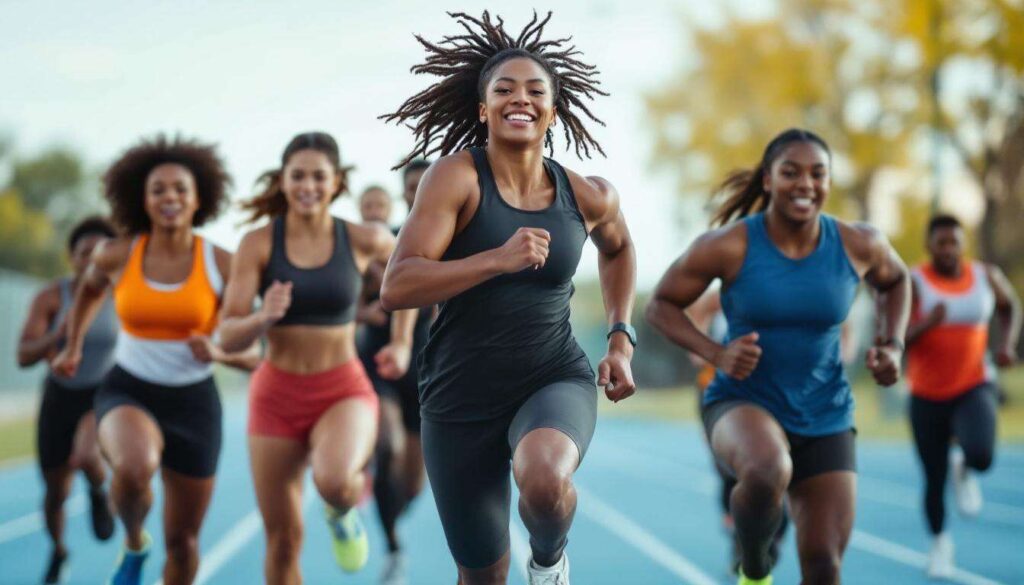
Artificial intelligence has rapidly infiltrated the sports and fitness industries, generating images and content that shape public perception of athletic bodies. These AI-driven representations, however, are increasingly criticised for promoting narrow beauty standards, reducing athletes to mere visual objects, and failing to reflect the rich diversity of sporting communities worldwide. The technology’s tendency to replicate and amplify existing biases raises urgent questions about its impact on both professional athletes and everyday fitness enthusiasts.
Influence of AI on body ideals
The perpetuation of unrealistic standards
AI systems trained on limited datasets often produce images of athletes with exaggerated musculature, impossibly low body fat percentages, and idealised proportions that few real athletes possess. These algorithmically-generated bodies set benchmarks that are physiologically unattainable for most individuals, regardless of training intensity or dedication. The technology essentially creates a feedback loop where unrealistic images inform public expectations, which in turn influence the data fed back into AI systems.
Social media platforms amplify this issue by prioritising AI-generated content that receives high engagement. Images depicting hyper-muscular physiques or extremely lean bodies tend to attract more attention, encouraging algorithms to produce similar content. This creates a distorted representation of what athletic success should look like, placing pressure on genuine athletes to conform to these artificial standards.
Gender-specific body pressures
The impact varies significantly between genders. Female athletes face particular scrutiny, with AI often generating images that emphasise aesthetic appeal over athletic capability. These representations frequently include:
- Unrealistically smooth skin with no visible signs of physical exertion
- Body proportions that prioritise conventional attractiveness over functional strength
- Poses that emphasise sexuality rather than athletic prowess
- Minimal representation of muscular development despite depicting strength-based sports
Male athletes, whilst also subjected to unrealistic standards, typically face pressure to display extreme muscularity and size that may not align with optimal performance in their specific disciplines. A marathon runner, for instance, might be depicted with the physique of a bodybuilder, fundamentally misrepresenting the sport’s physical demands.
Understanding how these digital representations influence real-world expectations leads naturally to examining the mechanisms through which algorithms reduce complex human beings to simplified visual data.
Objectification by algorithms
Reducing athletes to visual metrics
AI systems process images by breaking down human bodies into quantifiable measurements and patterns, effectively stripping away the context of athletic achievement, dedication, and skill. This reduction transforms athletes from accomplished individuals into collections of physical attributes to be analysed, compared, and ranked. The technology focuses predominantly on external appearance rather than performance metrics, training dedication, or competitive achievements.
Image generation algorithms particularly struggle with representing athletes in action. Instead of capturing the dynamic movement and power that define athletic excellence, AI-generated content often depicts static poses that emphasise physical form over function. This shift in focus reinforces the notion that an athlete’s value lies primarily in their appearance rather than their capabilities.
Commercial exploitation of athletic bodies
The fitness and sports industries increasingly deploy AI to create marketing content that objectifies athletic bodies for commercial gain. These applications include:
- Automated generation of idealised “before and after” transformation images
- Creation of synthetic influencers with perfect physiques promoting products
- Algorithmic enhancement of real athletes’ bodies in advertising materials
- Development of virtual fitness coaches with unrealistic body types
| Industry Sector | AI Application | Objectification Impact |
|---|---|---|
| Fitness Equipment | Virtual product demonstrations | High – focuses on aesthetic outcomes |
| Sports Apparel | AI model generation | Very High – prioritises appearance over function |
| Nutrition Supplements | Transformation imagery | Extreme – creates unrealistic expectations |
| Fitness Apps | Avatar creation | Moderate – depends on customisation options |
This commercial objectification extends beyond professional athletes to affect amateur sports participants and fitness enthusiasts, who increasingly encounter AI-generated content suggesting their bodies require improvement to meet algorithmic standards. These patterns of objectification connect directly to broader questions about whose bodies the technology chooses to represent at all.
Diversity and inclusion: a challenge for AI
Underrepresentation of marginalised groups
AI systems demonstrate a pronounced bias towards representing athletes from dominant demographic groups, particularly white, able-bodied individuals with conventional body types. This limitation stems from training datasets that inadequately represent the full spectrum of human diversity found in global sporting communities. Athletes from ethnic minorities, those with disabilities, and individuals with body types outside narrow norms remain largely invisible in AI-generated content.
The technology’s failure to represent Paralympic athletes, adaptive sports participants, and individuals with visible differences reinforces harmful narratives about who belongs in athletic spaces. This exclusion has tangible consequences, discouraging participation from underrepresented groups and perpetuating the myth that athletic excellence requires conformity to specific physical characteristics.
Cultural and geographic biases
AI-generated athletic imagery predominantly reflects Western beauty standards and body ideals, marginalising the diverse physical characteristics celebrated in different cultural contexts. Sports popular in non-Western regions receive less representation, and when depicted, athletes from these disciplines are often shown with body types that don’t reflect their actual communities. This geographic bias includes:
- Overrepresentation of mainstream Western sports like football and athletics
- Minimal depiction of traditional sports from indigenous cultures
- Standardisation of body types across culturally diverse sporting disciplines
- Lack of representation for sports popular in developing nations
Addressing these representation gaps requires examining how AI technology specifically impacts the standards applied to professional and amateur athletes across all sporting disciplines.
Redefining athlete standards
Sport-specific body requirements versus AI expectations
Different athletic disciplines demand vastly different physical attributes for optimal performance, yet AI-generated content often homogenises these requirements into a single idealised athletic body. A gymnast’s compact, powerful build differs fundamentally from a basketball player’s height and reach, just as a swimmer’s broad shoulders serve different purposes than a distance runner’s lean frame. AI systems frequently fail to recognise these sport-specific variations, instead defaulting to generic representations of athleticism.
This misrepresentation creates confusion about what bodies are suited for particular sports, potentially discouraging individuals whose natural physiques align perfectly with certain disciplines but don’t match AI-generated ideals. Young athletes particularly vulnerable to these messages may abandon sports where they could excel because their bodies don’t resemble the algorithmic standard.
The reality of elite athletic bodies
Genuine elite athletes display remarkable diversity in body composition, even within single sports. Professional marathon runners, for instance, vary significantly in build, muscle distribution, and overall physique whilst all performing at exceptional levels. AI-generated content erases this natural variation, suggesting falsely that athletic success requires conformity to a narrow physical template.
The psychological consequences of exposure to these distorted representations extend far beyond simple dissatisfaction with appearance, affecting mental health and athletic performance in profound ways.
Psychological implications of AI-generated images
Mental health impacts on athletes
Constant exposure to AI-generated images of idealised athletic bodies contributes to body dysmorphia, disordered eating, and exercise addiction among both professional athletes and fitness enthusiasts. Athletes report increased anxiety about their appearance, with some prioritising aesthetic goals over performance objectives or health considerations. This shift in focus can paradoxically impair athletic performance, as training becomes oriented towards appearance rather than functional capability.
The psychological burden falls particularly heavily on young athletes still developing their self-image and relationship with their bodies. Research indicates that adolescents exposed to idealised body imagery experience:
- Decreased self-esteem and body satisfaction
- Increased risk of developing eating disorders
- Higher rates of anxiety and depression
- Reduced enjoyment of sport and physical activity
Creating sustainable change
Addressing these psychological harms requires coordinated efforts from technology developers, sports organisations, and media platforms. Implementing diverse training datasets, developing algorithmic accountability measures, and promoting authentic representations of athletic bodies represent crucial steps forward. Athletes, coaches, and sports psychologists must also actively challenge unrealistic standards, emphasising that athletic excellence manifests in countless physical forms.
The sports community bears responsibility for advocating loudly for AI systems that celebrate rather than constrain the remarkable diversity of human athletic potential, ensuring technology serves to inspire rather than diminish the next generation of athletes.
Artificial intelligence’s role in perpetuating narrow body ideals, objectifying athletes, and excluding diverse representations demands urgent attention from all stakeholders in sport and technology. The evidence demonstrates that current AI systems amplify existing biases, creating unrealistic standards that harm athletes’ mental health and discourage participation from underrepresented groups. Moving forward requires deliberate efforts to diversify training data, implement accountability measures, and prioritise authentic representations that reflect the true breadth of athletic excellence across all bodies, backgrounds, and abilities.