



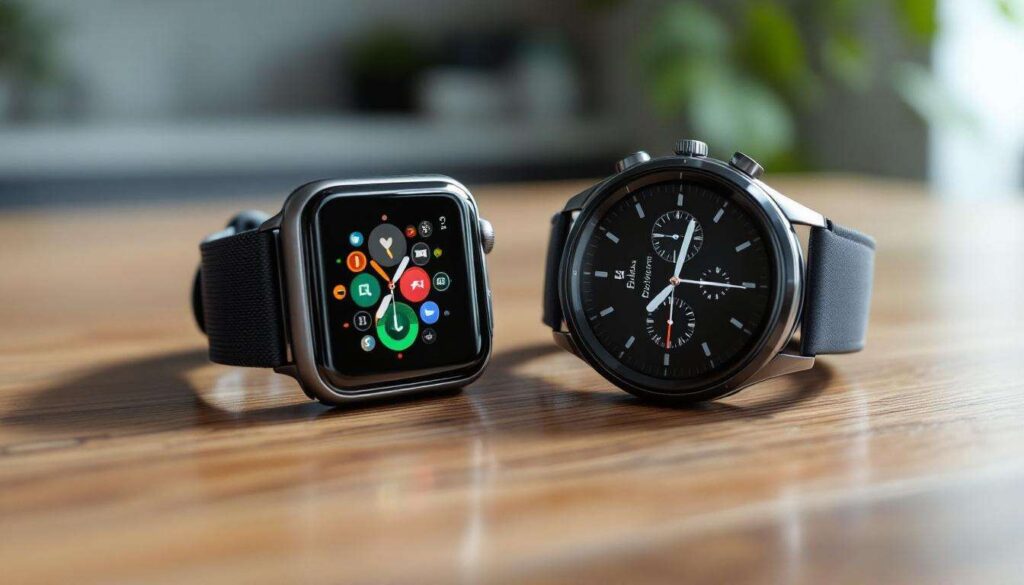
Smartwatches have transformed the way people interact with technology on a daily basis, offering convenience, health monitoring, and connectivity directly from the wrist. Two dominant forces in this market are Apple and Samsung, each delivering sophisticated devices that cater to different user needs and preferences. The Apple Watch and Galaxy Watch represent the pinnacle of wearable technology, yet they differ significantly in compatibility, performance, design, and pricing. Understanding these differences is crucial for consumers seeking the best value for their investment.
Compatibility and ecosystem
Apple Watch ecosystem integration
The Apple Watch operates exclusively within the Apple ecosystem, requiring an iPhone for initial setup and ongoing functionality. This tight integration offers seamless synchronisation across Apple devices, including MacBooks, iPads, and AirPods. Users benefit from features such as Handoff, which allows tasks to transfer between devices effortlessly, and Universal Clipboard, enabling copied content to be pasted across different Apple products. The watch also supports Apple Pay, iMessage, and Siri, creating a cohesive user experience that appeals to those already invested in Apple’s hardware and services.
Galaxy Watch cross-platform flexibility
Samsung’s Galaxy Watch offers greater flexibility regarding device compatibility. Whilst optimised for Samsung Galaxy smartphones running Android, the watch also functions with other Android devices and even iPhones, though with some limitations on iOS. This cross-platform capability makes the Galaxy Watch an attractive option for users who may not be committed to a single brand ecosystem. Key features include:
- Compatibility with Android smartphones running version 8.0 or higher
- Limited iOS support for iPhone users, though certain features may be restricted
- Integration with Samsung Health and Google services
- Support for third-party applications through the Google Play Store
This broader compatibility positions the Galaxy Watch as a more versatile choice for users who prefer flexibility or anticipate changing their smartphone brand in the future.
Understanding these ecosystem differences is essential, as they directly influence the overall user experience and determine which smartwatch integrates more naturally into one’s existing technology setup. Beyond compatibility, however, the performance and interface of each device play equally important roles in daily usability.
Performance and user interface
Processing power and responsiveness
The Apple Watch Series 10 features the S10 chip, delivering exceptional processing speed and smooth performance across applications. This chipset ensures rapid app launches, fluid animations, and efficient multitasking. The Galaxy Watch 6, powered by Samsung’s Exynos W930 processor, also provides robust performance, handling demanding tasks such as GPS tracking and continuous health monitoring without noticeable lag. Both devices offer sufficient RAM and storage configurations to support a wide range of applications and watch faces.
| Feature | Apple Watch Series 10 | Galaxy Watch 6 |
|---|---|---|
| Processor | S10 chip | Exynos W930 |
| RAM | 1GB | 2GB |
| Storage options | 32GB or 64GB | 16GB |
| Operating system | watchOS | Wear OS with One UI Watch |
Interface design and navigation
Apple’s watchOS presents a clean, intuitive interface with a grid-style app layout and a Digital Crown for precise navigation. The operating system emphasises simplicity and ease of use, making it accessible even for first-time smartwatch users. Notifications are displayed clearly, and the interface responds immediately to touch and crown inputs.
The Galaxy Watch runs Wear OS with Samsung’s One UI Watch overlay, offering a customisable experience with rotating bezel navigation on certain models. This physical bezel provides tactile feedback and allows users to scroll through menus and notifications without obscuring the screen with their fingers. The interface supports extensive customisation, including:
- Thousands of watch faces available through the Galaxy Store
- Customisable quick settings and widgets
- Gesture controls and voice commands via Google Assistant
- Third-party app support through Google Play
Both interfaces excel in their respective approaches, with Apple prioritising simplicity and consistency whilst Samsung offers flexibility and personalisation. The choice between them often comes down to personal preference and familiarity with each brand’s design philosophy.
Whilst performance and interface determine how smoothly a smartwatch operates, the health and safety features represent some of the most valuable capabilities these devices offer to users concerned with wellness and security.
Health and safety features
Advanced health monitoring
Both the Apple Watch and Galaxy Watch have established themselves as comprehensive health companions, offering an impressive array of monitoring capabilities. The Apple Watch Series 10 includes ECG functionality, blood oxygen monitoring, heart rate tracking, and fall detection. These features have proven potentially life-saving, with numerous documented cases of the watch alerting users to irregular heart rhythms or automatically contacting emergency services after detecting a hard fall.
The Galaxy Watch 6 matches many of these capabilities, providing continuous heart rate monitoring, ECG measurements, blood pressure tracking (in supported regions), and body composition analysis. Samsung’s BioActive Sensor combines multiple sensors into a single unit, enabling more accurate readings whilst conserving battery life.
Fitness tracking and activity monitoring
For fitness enthusiasts, both devices offer extensive tracking options:
- Automatic workout detection for common activities such as running, cycling, and swimming
- GPS tracking for outdoor exercises without requiring a connected smartphone
- Water resistance ratings suitable for swimming and water sports
- Sleep tracking with detailed analysis of sleep stages and quality
- Stress monitoring and guided breathing exercises
The Apple Watch emphasises Activity Rings, encouraging users to close their Move, Exercise, and Stand rings daily. This gamification approach motivates consistent activity through achievements and sharing capabilities with friends. The Galaxy Watch utilises Samsung Health, which provides detailed metrics and personalised coaching based on activity patterns and goals.
Safety and emergency features
Safety features distinguish these devices as more than mere fitness trackers. The Apple Watch includes Emergency SOS, fall detection, and crash detection, automatically alerting emergency services and designated contacts when critical situations are detected. The Galaxy Watch offers similar functionality with SOS messaging and fall detection on newer models, though implementation varies by region and model.
These health and safety capabilities represent significant value propositions for both devices, particularly for users with health concerns or those seeking peace of mind for elderly relatives. However, even the most advanced features become less useful if the device cannot maintain sufficient battery life throughout the day.
Battery life and charging speed
Daily battery performance comparison
Battery life remains one of the most significant differentiators between these two smartwatch lines. The Apple Watch Series 10 delivers approximately 18 hours of mixed usage, requiring daily charging for most users. Whilst Apple has introduced an Ultra Low Power Mode extending battery life to roughly 36 hours, this mode significantly limits functionality, disabling features such as the Always-On display, automatic workout detection, and continuous heart rate monitoring.
The Galaxy Watch 6 offers considerably longer battery endurance, providing up to two full days of standard use on a single charge. This extended battery life proves particularly valuable for users who travel frequently, work long shifts, or simply prefer not to worry about nightly charging routines. The larger 44mm model generally outlasts the 40mm version due to its increased battery capacity.
| Battery aspect | Apple Watch Series 10 | Galaxy Watch 6 |
|---|---|---|
| Standard usage | 18 hours | 40-48 hours |
| Low power mode | 36 hours | Up to 80 hours |
| Charging time (0-100%) | 75 minutes | 90 minutes |
| Fast charging support | Yes | Yes |
Charging convenience and speed
Both devices support wireless charging, though they utilise different technologies. The Apple Watch uses Apple’s proprietary magnetic charging puck, which aligns automatically and charges the device to 80% in approximately 45 minutes. Fast charging capabilities mean users can gain several hours of use from just 15 minutes of charging, useful for those who forget to charge overnight.
The Galaxy Watch 6 employs Qi wireless charging, compatible with Samsung’s charging pads and many third-party wireless chargers. Whilst slightly slower to reach full charge compared to Apple’s solution, the broader compatibility offers convenience for users who already own Qi-compatible charging accessories.
Battery life considerations often influence purchasing decisions significantly, particularly for users who prioritise convenience and uninterrupted usage. Yet battery performance represents just one aspect of the overall user experience, with design and customisation options playing equally important roles in daily satisfaction.
Design and customisation
Physical design philosophy
The Apple Watch maintains its signature rectangular design with rounded edges, a shape that has become instantly recognisable since its introduction. The Series 10 features a larger display with thinner bezels, maximising screen real estate whilst maintaining comfortable wrist proportions. Available in aluminium, stainless steel, and titanium cases, the watch appeals to various aesthetic preferences and budgets. The Always-On Retina display delivers vibrant colours and excellent outdoor visibility.
The Galaxy Watch 6 embraces a traditional circular design, resembling classic timepieces and appealing to users who prefer conventional watch aesthetics. The Super AMOLED display offers deep blacks and vivid colours, with customisable brightness levels that adapt to ambient lighting conditions. Samsung offers the watch in multiple sizes and finishes, including aluminium and stainless steel options.
Strap options and personalisation
Both manufacturers provide extensive strap ecosystems, allowing users to personalise their devices:
- Apple offers numerous official bands in materials ranging from fluoroelastomer Sport Bands to leather and metal options
- Third-party manufacturers produce countless compatible straps at various price points
- Samsung provides official straps in silicone, leather, and metal mesh varieties
- Standard watch strap sizes on Galaxy Watch models enable compatibility with traditional watch bands
The Apple Watch uses a proprietary band attachment system, ensuring secure connections but limiting compatibility to specifically designed straps. The Galaxy Watch’s use of standard lug widths allows greater flexibility, enabling users to select from a broader range of traditional watch straps without requiring smartwatch-specific designs.
Watch face customisation
Customisation extends beyond physical appearance to include digital watch faces. Apple provides dozens of official watch faces with extensive complication options, allowing users to display information such as weather, calendar events, activity rings, and third-party app data. The watchOS ecosystem includes faces ranging from minimalist designs to information-dense displays.
Samsung offers even greater flexibility through the Galaxy Store, which hosts thousands of watch faces created by both Samsung and third-party designers. Users can select from traditional analogue designs, digital displays, animated faces, and interactive options. This extensive library ensures virtually every aesthetic preference can be accommodated.
Design and customisation options significantly influence user satisfaction and the watch’s ability to complement various outfits and occasions. However, even the most attractive and personalised smartwatch must justify its cost through the features and value it delivers relative to its price point.
Price and value for money
Pricing structure comparison
The Apple Watch Series 10 positions itself as a premium product with pricing to match. The base 42mm GPS model starts at £399, whilst the larger 46mm version begins at £429. Adding cellular connectivity increases costs by approximately £100, and premium materials such as titanium can push prices to £699 or higher. These price points place the Apple Watch firmly in the luxury smartwatch category.
The Galaxy Watch 6 offers more accessible entry points, with the 40mm GPS model starting at £299 and the 44mm version at £329. LTE-enabled models add roughly £50 to these base prices, making cellular connectivity more affordable than Apple’s offering. This pricing strategy positions the Galaxy Watch as a compelling option for budget-conscious consumers seeking premium features without premium pricing.
| Model | Base price (GPS) | LTE pricing | Premium materials |
|---|---|---|---|
| Apple Watch Series 10 (42mm) | £399 | £499 | Up to £699 |
| Apple Watch Series 10 (46mm) | £429 | £529 | Up to £729 |
| Galaxy Watch 6 (40mm) | £299 | £349 | Up to £399 |
| Galaxy Watch 6 (44mm) | £329 | £379 | Up to £429 |
Value proposition analysis
Determining value requires examining what each device delivers relative to its cost. The Apple Watch justifies its premium pricing through:
- Seamless integration within the Apple ecosystem
- Premium build quality and materials
- Comprehensive health monitoring features
- Regular software updates extending device longevity
- Strong resale value retention
The Galaxy Watch offers compelling value through its combination of features, battery life, and lower pricing. Users receive nearly equivalent health tracking capabilities, superior battery endurance, and greater ecosystem flexibility at a significantly reduced cost. For Android users or those seeking maximum features per pound spent, the Galaxy Watch presents an attractive proposition.
Long-term ownership costs
Beyond initial purchase price, long-term costs include potential repairs, accessories, and software support duration. Apple typically provides software updates for approximately five years, ensuring devices remain secure and gain new features over extended periods. Samsung has improved its update commitment, now promising four years of major updates and five years of security patches for recent Galaxy Watch models.
Both manufacturers offer warranty extensions and repair services, though Apple’s AppleCare+ tends to be more expensive whilst providing more comprehensive coverage. Third-party repair options exist for both brands, though Apple’s proprietary components can make independent repairs more challenging.
The price and value equation ultimately depends on individual priorities, budget constraints, and ecosystem preferences. Understanding these financial considerations helps consumers make informed decisions that align with their needs and expectations.
Selecting between the Apple Watch and Galaxy Watch requires careful consideration of multiple factors beyond simple feature comparisons. The Apple Watch excels for users deeply invested in Apple’s ecosystem, offering unmatched integration, premium build quality, and comprehensive health features despite its higher price point and limited battery life. The Galaxy Watch provides exceptional value through longer battery endurance, cross-platform compatibility, and lower pricing whilst delivering comparable health tracking and fitness capabilities. Neither device represents a universally superior choice; instead, the optimal selection depends on existing technology investments, budget constraints, desired battery performance, and aesthetic preferences. Both smartwatches represent sophisticated wearable technology capable of enhancing daily life through convenience, health monitoring, and connectivity, ensuring that consumers receive substantial value regardless of which brand they ultimately choose.