



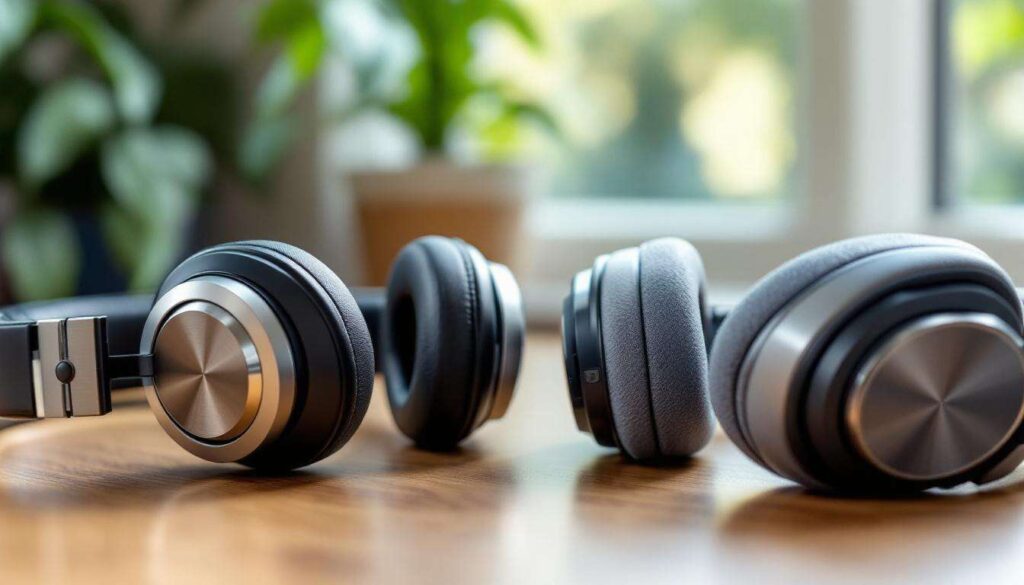
The headphone market has never been more diverse, with products ranging from a few pounds to several hundred. For many consumers, the challenge lies not in finding a pair of headphones, but in determining whether the extra cost of premium models truly justifies the investment. Whilst budget options flood online marketplaces and high street shops, premium brands continue to command significant price premiums, claiming superior performance and longevity. Understanding the tangible differences between these categories can help shoppers make informed decisions that align with their listening habits, budget constraints, and quality expectations.
Introduction to the differences between premium and budget headphones
The distinction between premium and budget headphones extends far beyond mere pricing. Budget headphones typically retail between £10 and £50, whilst premium models start around £150 and can exceed £500. However, price alone doesn’t tell the complete story. The fundamental differences lie in engineering precision, component quality, research and development investment, and brand heritage.
Manufacturing standards and quality control
Premium manufacturers implement rigorous quality control processes, with each unit undergoing multiple testing stages before reaching consumers. Budget brands often prioritise volume over precision, resulting in greater variance between individual units. Premium headphones benefit from tighter tolerances in driver matching, ensuring consistent performance across both earpieces. This attention to detail translates into a more balanced soundstage and reliable performance over extended periods.
Brand positioning and market segmentation
Established audio brands invest heavily in acoustic research, employing sound engineers and audiophiles to fine-tune their products. Budget manufacturers frequently rely on generic components and established designs, reducing development costs but limiting innovation. The reputation and heritage of premium brands also factor into pricing, though this doesn’t always correlate directly with performance improvements.
These foundational differences establish the framework for understanding how premium and budget options diverge in specific performance areas, beginning with the most critical aspect for any audio device.
Sound quality: a major criterion
Sound quality represents the primary battleground between premium and budget headphones. The differences manifest across multiple dimensions, from frequency response to distortion levels and dynamic range.
Frequency response and audio accuracy
Premium headphones typically deliver a more balanced frequency response across the audible spectrum, from deep bass notes around 20Hz to treble frequencies extending beyond 20kHz. Budget models often exhibit pronounced peaks and troughs, emphasising certain frequencies whilst neglecting others. This results in a coloured sound signature that may initially seem impressive but lacks accuracy and can cause listening fatigue.
| Characteristic | Premium Headphones | Budget Headphones |
|---|---|---|
| Frequency range | 10Hz – 40kHz | 20Hz – 20kHz |
| Total harmonic distortion | Less than 0.1% | 1% – 3% |
| Impedance matching | Optimised for multiple sources | Basic compatibility |
Driver technology and acoustic engineering
The drivers—the components that convert electrical signals into sound—differ substantially between price categories. Premium headphones employ advanced driver materials such as beryllium, graphene, or planar magnetic arrays. These materials respond more quickly to electrical signals and produce less distortion. Budget headphones use standard dynamic drivers with polymer diaphragms, which perform adequately but cannot match the precision of premium alternatives.
Beyond the drivers themselves, premium models feature sophisticated acoustic chambers and damping materials that control resonances and eliminate unwanted vibrations. This engineering ensures that what you hear is the intended audio signal rather than artefacts introduced by the headphone structure itself.
Whilst sound quality remains paramount, the physical construction of headphones significantly impacts both performance longevity and user satisfaction.
Materials and design: durability put to the test
The materials used in headphone construction directly influence durability, comfort, and acoustic performance. Premium manufacturers select materials based on multiple criteria, whilst budget brands prioritise cost efficiency.
Structural components and build quality
Premium headphones incorporate materials such as:
- Aluminium or titanium headbands for strength without excessive weight
- Stainless steel hinges and adjustment mechanisms
- High-grade plastics with UV resistance
- Genuine leather or premium synthetic materials for ear cushions
Budget models rely heavily on basic plastics that become brittle over time, particularly at stress points like hinges and adjustment sliders. The cables on budget headphones often lack reinforcement at connection points, leading to premature failure—a common complaint amongst users.
Aesthetic considerations and finish quality
The visual and tactile qualities of premium headphones reflect their price point. Brushed metal finishes, precision-machined components, and consistent colour matching demonstrate manufacturing sophistication. Budget headphones may appear acceptable initially but often reveal inconsistent assembly, visible glue residue, or misaligned components upon closer inspection.
Physical construction provides the foundation, but modern headphones increasingly differentiate themselves through integrated technology and additional capabilities.
Advanced features: what premium headphones offer
Contemporary premium headphones incorporate sophisticated technologies that extend functionality beyond basic audio reproduction. These features represent significant research investments and often require proprietary development.
Active noise cancellation technology
Premium active noise cancellation (ANC) systems employ multiple microphones and advanced digital signal processing to neutralise ambient sound. The effectiveness of ANC varies dramatically between price points. Premium implementations can reduce low-frequency noise by 30 decibels or more, whilst budget versions often manage only 10-15 decibels and may introduce audible artefacts or pressure sensations.
Connectivity and codec support
Wireless premium headphones support advanced Bluetooth codecs such as aptX HD, LDAC, or proprietary formats that maintain higher bitrates and lower latency. Budget wireless models typically support only basic SBC codec, resulting in compressed audio quality and noticeable delays when watching video content. Premium models also feature more reliable connection stability and greater range.
Smart features and customisation
Premium headphones increasingly offer companion applications enabling:
- Customisable equalisation profiles
- Spatial audio processing
- Wear detection and automatic pause functionality
- Firmware updates for ongoing improvements
These features enhance the user experience significantly but remain largely absent from budget offerings due to development costs and required processing power.
Regardless of features and sound quality, headphones that cause discomfort will ultimately remain unused, making physical wearability a crucial consideration.
Comfort and ergonomics: an often overlooked criterion
Long-term comfort separates headphones you’ll actually use from those relegated to a drawer. Premium manufacturers invest in ergonomic research and user testing to optimise fit and reduce fatigue.
Weight distribution and pressure points
Premium headphones distribute weight evenly across the headband, using wider contact surfaces and memory foam padding to prevent pressure hotspots. The clamping force—how tightly the earcups press against your head—is carefully calibrated to maintain position without causing discomfort. Budget headphones often exhibit excessive clamping force or inadequate padding, leading to headaches during extended listening sessions.
Ear cup design and thermal management
The materials and design of ear cushions significantly affect comfort. Premium models use breathable materials or perforated surfaces that reduce heat build-up. The ear cups themselves are typically deeper, preventing your ears from touching internal components. Budget headphones frequently feature shallow cups with non-breathable materials, causing perspiration and discomfort within 30-60 minutes of wear.
Having examined the tangible differences between premium and budget headphones, the question remains whether the price differential accurately reflects these distinctions.
The price, a reliable indicator ?
Price serves as an imperfect but useful indicator of headphone quality, though the relationship isn’t strictly linear. Understanding what drives pricing helps consumers assess value more accurately.
The law of diminishing returns
Audio quality improvements follow a curve where initial investments yield substantial gains, but returns diminish at higher price points. Moving from £20 to £100 headphones typically produces dramatic improvements. The jump from £200 to £400 offers noticeable but less transformative enhancements. Beyond £500, differences become increasingly subtle, appealing primarily to discerning audiophiles rather than general users.
Brand premium and marketing costs
Established brands command price premiums partly due to reputation and marketing expenditure rather than purely technical superiority. Some mid-tier brands offer exceptional value by focusing resources on engineering rather than advertising. Conversely, certain fashion-oriented brands charge premium prices whilst delivering mediocre audio performance.
Use case considerations
The appropriate price point depends heavily on intended use:
- Casual listeners using streaming services may find budget options sufficient
- Commuters benefit from premium ANC technology
- Audiophiles with lossless music libraries require premium audio fidelity
- Professional users need accuracy and durability justifying premium investment
Price becomes a reliable indicator when considered alongside specific requirements rather than as an absolute measure of quality.
The distinction between premium and budget headphones encompasses multiple dimensions, from measurable audio performance to subjective comfort preferences. Whilst premium models demonstrably outperform budget alternatives in sound accuracy, build quality, and feature sophistication, the value proposition depends entirely on individual priorities and listening habits. Budget headphones serve perfectly well for casual use, whilst premium options justify their cost for discerning listeners who prioritise audio fidelity and long-term durability. Understanding these differences empowers consumers to select headphones that genuinely match their needs rather than simply pursuing the highest price point or cheapest option available.