


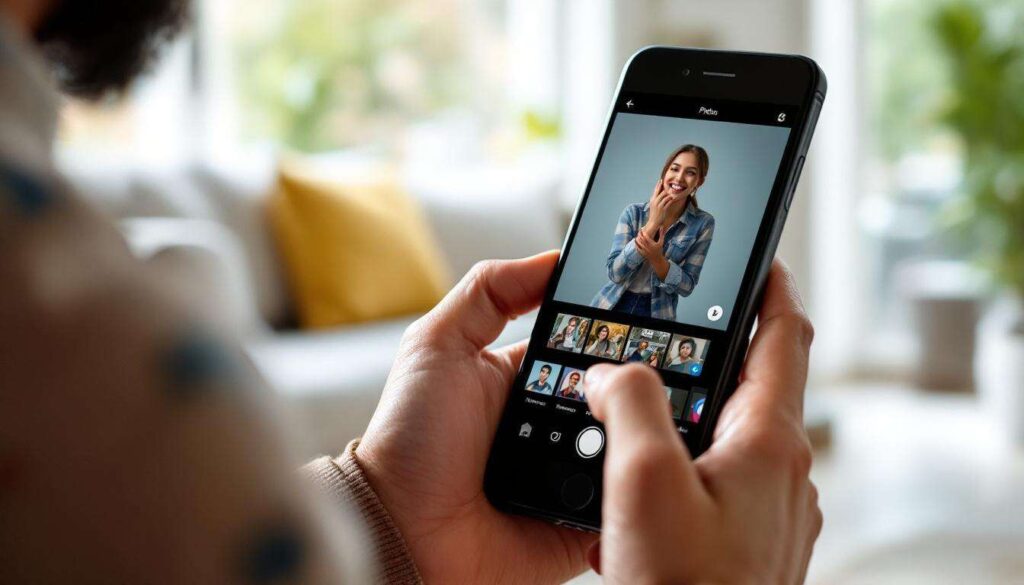
Digital communication has evolved dramatically over recent years, with memes becoming a universal language for expressing humour, emotions, and cultural commentary. Recognising this shift, Google has introduced an innovative feature within Google Photos that transforms the way users create personalised content. The Me Meme feature harnesses the power of generative artificial intelligence to enable individuals to insert themselves into popular meme templates, democratising content creation and making it accessible to everyone with a smartphone. This development represents a significant step in repositioning Google Photos from a simple storage solution into a comprehensive creative platform.
Introduction to Google Photos’ new feature
What is Me Meme and why it matters
The Me Meme feature represents Google’s latest innovation in integrating artificial intelligence with user-generated content. Available primarily to users in the United States, this tool allows individuals to transform their selfies into customised meme images using preset templates. The feature leverages Gemini AI technology, Google’s advanced generative artificial intelligence system, to seamlessly blend personal photographs with popular meme formats. This capability addresses a growing demand for personalised digital content whilst reducing the technical barriers traditionally associated with image editing and meme creation.
The broader context of Google’s creative ecosystem
Me Meme forms part of a larger strategic initiative by Google to expand the creative capabilities of its Photos application. Beyond basic photo storage and organisation, the platform now offers:
- Photo-to-video effects that transform static images into dynamic content
- Smart editing tools powered by artificial intelligence
- Enhanced sharing capabilities across social media platforms
- Automated content suggestions based on user preferences
This evolution reflects Google’s understanding that modern users seek more than passive storage solutions. They want tools that enable creative expression and facilitate participation in digital culture. By incorporating meme creation directly into Google Photos, the company acknowledges the central role memes play in contemporary online communication.
Understanding how to access and utilise this new feature is essential for users eager to explore its creative potential.
How to use the Me Meme feature
Accessing the feature within Google Photos
The Me Meme feature integrates seamlessly into the existing Google Photos interface, making it easily accessible to users familiar with the application. To begin using this tool, users must ensure they have the latest version of Google Photos installed on their device. The feature appears within the creative tools section, alongside other AI-powered editing options. Currently, availability is limited to specific regions, with the United States being the primary market for this initial rollout.
Basic requirements and compatibility
Before creating personalised memes, users should verify that their setup meets certain requirements:
| Requirement | Specification |
|---|---|
| Application version | Latest Google Photos update |
| Geographic availability | Primarily United States |
| Photo requirements | Clear selfies with visible facial features |
| Internet connection | Required for AI processing |
The feature works most effectively with high-quality selfies where facial features are clearly visible and well-lit. Users with extensive photo libraries will find the process particularly straightforward, as they can select from existing images rather than capturing new photographs specifically for meme creation.
Once access is confirmed, the actual process of creating personalised memes involves several straightforward steps.
Steps to create a personalised meme
Selecting the right selfie
The foundation of any successful Me Meme creation lies in choosing an appropriate selfie. The artificial intelligence works best with images that feature clear facial recognition, good lighting, and minimal obstructions. Users should select photographs where their face occupies a significant portion of the frame and expressions are clearly visible. The AI technology can accommodate various facial expressions, making it possible to create memes that convey different emotions depending on the chosen template.
Choosing and applying meme templates
After selecting a suitable selfie, users browse through a collection of preset meme templates. These templates represent popular meme formats that have gained cultural significance across social media platforms. The selection process is intuitive:
- Browse available templates organised by category or popularity
- Preview how your selfie might appear in different contexts
- Select the template that best matches your intended message or humour
- Allow the AI to process and generate the customised meme
Finalising and sharing your creation
Once the artificial intelligence generates the meme-ready image, users can review the result and make adjustments if necessary. The final output can be saved directly to the device’s photo library or shared immediately across various social media platforms. This seamless integration with sharing capabilities ensures that users can participate in online conversations and trends without switching between multiple applications or using complex editing software.
The sophisticated technology powering this seemingly simple process deserves closer examination to appreciate its capabilities fully.
Understanding the artificial intelligence behind Me Meme
Gemini AI technology explained
The Me Meme feature utilises Gemini AI, Google’s advanced generative artificial intelligence system. This technology employs machine learning algorithms trained on vast datasets of images to understand facial features, expressions, and how to seamlessly integrate personal photographs into existing templates. The AI performs several complex operations simultaneously, including facial recognition, image segmentation, lighting adjustment, and perspective matching to ensure the final meme appears natural and cohesive.
How the AI processes and generates memes
The generation process involves multiple computational steps that occur within seconds. The artificial intelligence first analyses the selected selfie to identify key facial features and the overall composition. It then examines the chosen meme template to determine where and how the user’s image should be inserted. Finally, the system makes intelligent adjustments to colour balance, lighting, and perspective to ensure the integrated image matches the template’s aesthetic. This sophisticated processing happens server-side, requiring an internet connection but delivering results that would be difficult to achieve manually even with professional editing software.
Maximising the creative potential of this feature requires understanding certain best practices and creative strategies.
Tips for more creative and impactful memes
Matching expressions to meme contexts
Creating truly engaging memes involves more than technical proficiency; it requires understanding the cultural context of meme formats. Users should consider the emotional tone or message typically associated with specific templates and select selfies with appropriate expressions. A meme template conveying surprise works best with a selfie showing genuine astonishment, whilst formats expressing satisfaction pair well with contented or proud expressions.
Timing and relevance in meme culture
Successful meme creation often depends on cultural timing and relevance. Consider these strategies:
- Stay informed about current trends and popular meme formats
- Create content that resonates with your intended audience
- Balance personal creativity with recognisable meme conventions
- Experiment with different templates to discover what works best
The most impactful memes typically combine personal authenticity with widely understood cultural references, creating content that feels both individual and relatable.
Whilst the creative possibilities are exciting, users should also consider the privacy implications of using AI-powered features.
Privacy implications and data stored by Google
What data Google collects through Me Meme
Using the Me Meme feature involves sharing personal photographs with Google’s servers for AI processing. The company collects and processes facial data to generate customised memes, raising legitimate privacy considerations. Users should understand that their images are analysed by artificial intelligence systems, and this analysis may contribute to improving Google’s machine learning algorithms. The extent of data retention and how this information integrates with broader Google services warrants careful consideration by privacy-conscious users.
User control and privacy settings
Google provides various privacy controls within the Photos application, allowing users to manage how their data is used. Individuals concerned about privacy should:
- Review Google Photos privacy settings regularly
- Understand which features require cloud processing versus local processing
- Consider the trade-off between convenience and data sharing
- Delete generated memes if they contain sensitive personal information
The balance between innovation and privacy remains an ongoing consideration as artificial intelligence becomes increasingly integrated into everyday applications. Users must make informed decisions about which features align with their personal comfort levels regarding data sharing.
The Me Meme feature represents a significant advancement in making creative content generation accessible to everyday users. By combining sophisticated artificial intelligence with an intuitive interface, Google has lowered the barriers to meme creation whilst tapping into the cultural significance of this communication form. The feature’s success will likely depend on continued refinement of the AI technology, expansion to additional markets, and Google’s ability to address privacy concerns transparently. As digital communication continues evolving, tools like Me Meme demonstrate how technology companies are adapting to meet users’ desires for personalised, culturally relevant content creation capabilities.