

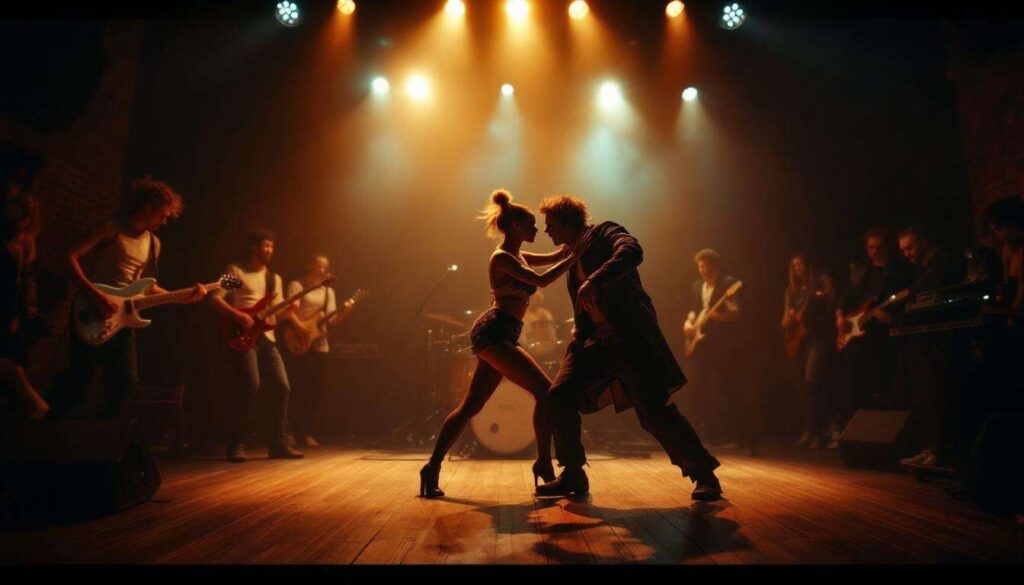
Artificial intelligence has become a transformative force in the creative industries, enabling artists to explore new identities and push the boundaries of what was previously imaginable. One musician’s journey from performing as a female dance artist to creating music as an all-male post-punk band demonstrates how AI technology is reshaping artistic expression and challenging traditional notions of genre, identity and collaboration. This radical transformation offers valuable insights into the possibilities that await musicians willing to embrace emerging technologies in their creative practice.
How AI revolutionised my musical journey
Discovering the potential of AI music tools
The initial encounter with artificial intelligence music generation platforms opened unexpected doors for creative experimentation. AI-powered software provided the ability to compose, arrange and produce music in styles completely outside previous experience. What began as curiosity about machine learning algorithms quickly evolved into a comprehensive exploration of how these tools could facilitate a complete artistic reinvention. The technology offered not just technical assistance but a means to transcend the limitations of traditional music-making processes.
Breaking free from established artistic constraints
Working as a dance artist had created certain expectations about musical style and performance aesthetics. AI tools provided the freedom to experiment with post-punk soundscapes, angular guitar lines and driving rhythms without needing years of instrumental training. The software analysed thousands of tracks within the genre, learning the characteristic patterns and sonic textures that define post-punk music. This enabled the creation of authentic-sounding compositions that captured the raw energy and experimental spirit of the genre whilst maintaining a unique artistic voice.
[bzkshopping template=”mini_grid” merchants=”amazon” count=3 keyword=”audio interface”]
Technical implementation and creative workflow
The practical application involved several key technologies working in concert:
- Generative AI platforms for composing instrumental arrangements
- Voice synthesis tools to create male vocal performances
- Machine learning algorithms for mixing and mastering tracks
- Neural networks trained on post-punk reference material
- Digital audio workstations enhanced with AI plugins
This combination of tools created a workflow that balanced human creativity with machine efficiency, allowing for rapid iteration and experimentation that would have been impossible through conventional methods.
The impact of AI on artistic creation
Democratising music production
Artificial intelligence has fundamentally altered the landscape of music creation by removing traditional barriers to entry. Musicians no longer require expensive studio time, extensive instrumental training or large production teams to realise their artistic visions. AI-powered tools have made professional-quality production accessible to anyone with a computer and creative ambition. This democratisation extends beyond technical capabilities to encompass genre exploration, enabling artists to work in styles they might never have attempted through conventional means.
Redefining authenticity in music
The use of AI in music creation raises important questions about authenticity and artistic integrity. Critics argue that machine-generated music lacks the human touch that gives art its emotional resonance. However, the creative process still requires human direction, aesthetic judgement and emotional intelligence. The AI serves as an instrument, a sophisticated tool that responds to human input and intention. The authenticity lies not in the means of production but in the artistic vision guiding the process.
| Aspect | Traditional approach | AI-assisted approach |
|---|---|---|
| Composition time | Weeks to months | Days to weeks |
| Technical skill required | Years of training | Moderate learning curve |
| Production cost | £5,000-£50,000 | £50-£500 |
| Genre flexibility | Limited by skills | Highly adaptable |
These shifts in the creative process have profound implications for how musicians approach their craft and conceptualise their artistic identities.
From dancer to musician: a radical transformation
Navigating identity shifts in artistic practice
The transition from dance artist to post-punk band involved more than changing musical styles; it required a complete reimagining of artistic identity. AI technology facilitated this transformation by enabling the creation of a convincing all-male band persona without requiring additional human collaborators. Voice synthesis tools generated masculine vocals whilst maintaining expressive qualities and emotional nuance. This technological capability allowed for exploration of how gender presentation influences audience reception and critical interpretation of artistic work.
Overcoming technical challenges
The journey involved mastering unfamiliar software, understanding the sonic characteristics of post-punk music and developing new compositional approaches. Each challenge required patience and persistence, but the flexibility of AI tools meant that mistakes became learning opportunities rather than costly setbacks. The ability to rapidly prototype ideas, test different arrangements and refine compositions through multiple iterations accelerated the learning process significantly.
[bzkshopping template=”mini_grid” merchants=”amazon” count=3 keyword=”midi keyboard”]
Maintaining artistic vision throughout transformation
Despite the radical change in presentation and genre, core artistic values remained consistent. The emphasis on rhythm and movement from dance practice translated naturally into the driving beats and dynamic energy of post-punk. The experimental spirit that characterised previous work found new expression in unconventional song structures and sonic textures. This continuity demonstrates that AI-assisted transformation need not mean abandoning one’s artistic essence.
AI and the evolution of musical genres
Genre-blending possibilities
Artificial intelligence excels at identifying patterns across vast musical catalogues, enabling unprecedented genre fusion. The technology can analyse the structural elements of post-punk whilst incorporating rhythmic sensibilities from dance music, creating hybrid forms that would be difficult to achieve through traditional collaboration. This capability suggests that future musical genres may emerge not from geographical or cultural movements but from algorithmic exploration of sonic possibilities.
Preserving and reimagining musical traditions
AI tools trained on historical recordings can capture the essence of specific musical eras whilst allowing contemporary artists to reinterpret these traditions. For post-punk, this means understanding the political context, sonic experimentation and DIY ethos that defined the original movement, then translating these principles into new compositions that resonate with current audiences. The technology becomes a bridge between past and present, honouring tradition whilst pushing boundaries.
The implications for contemporary artists
Economic considerations and accessibility
The financial implications of AI-assisted music creation are substantial. Independent artists can now produce album-quality recordings without label backing or significant capital investment. This economic shift potentially disrupts traditional music industry structures, giving artists greater control over their creative output and revenue streams. However, it also raises concerns about market saturation and the devaluation of musical labour.
Ethical questions and creative responsibility
Musicians using AI face important ethical considerations:
- Transparency about the role of AI in the creative process
- Copyright issues surrounding AI-generated content
- The impact on session musicians and traditional collaborators
- Questions of originality when using trained algorithms
- Responsibility for the cultural implications of AI-created art
These concerns require ongoing dialogue within the creative community to establish norms and best practices that protect both artistic integrity and the livelihoods of working musicians.
The future of collaborations between artists and AI
Emerging partnership models
The relationship between artists and artificial intelligence continues to evolve beyond simple tool usage towards genuine creative partnership. Future collaborations may involve AI systems that learn individual artistic styles, suggest unexpected creative directions and challenge artists to explore unfamiliar territory. This symbiotic relationship could produce work that neither human nor machine could create independently, representing a new paradigm in artistic creation.
Educational opportunities and skill development
As AI becomes integral to music production, educational institutions must adapt their curricula to prepare emerging artists. This includes not only technical training in AI tools but also critical thinking about the implications of these technologies for artistic practice. Musicians of the future will need to be fluent in both traditional musicianship and AI-assisted creation, understanding when each approach serves their artistic vision most effectively.
The transformation from female dance artist to all-male post-punk band through AI technology represents more than a personal artistic journey; it demonstrates the profound possibilities that emerge when musicians embrace technological innovation. This experience reveals how artificial intelligence can democratise music production, enable radical genre exploration and facilitate artistic reinvention previously constrained by technical or financial limitations. The ethical questions and industry implications require careful consideration, but the creative potential remains undeniable. As AI tools become increasingly sophisticated and accessible, musicians willing to experiment with these technologies will discover new forms of expression and connection with audiences, ultimately expanding the boundaries of what music can be and who can create it.