


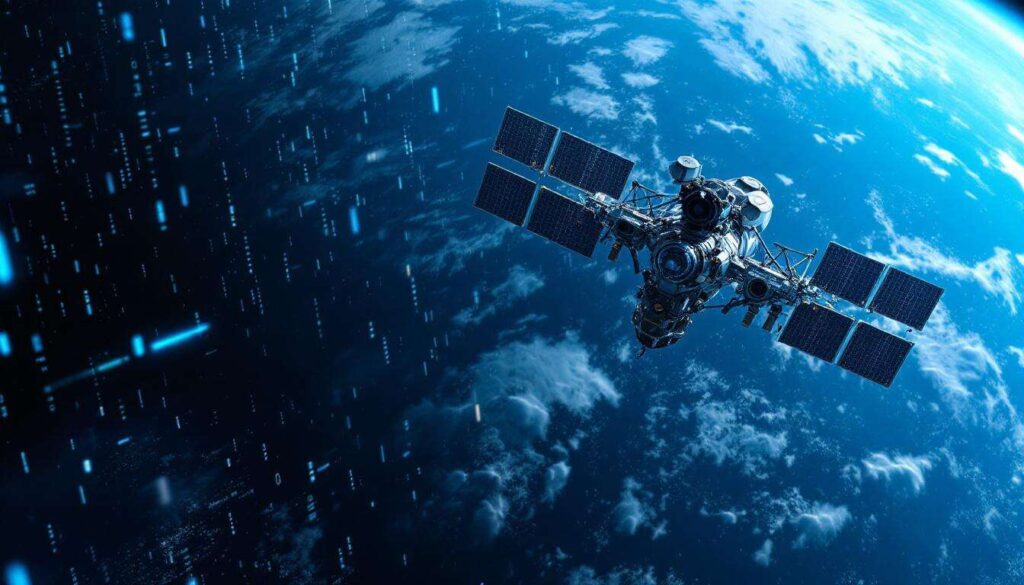
Space agencies worldwide rely on sophisticated computer systems to manage missions, analyse data, and control spacecraft operations. When vulnerabilities emerge within these critical infrastructures, the consequences could prove catastrophic. Recent revelations about security weaknesses in NASA’s spacecraft systems have highlighted both the dangers of undetected flaws and the remarkable potential of artificial intelligence to safeguard our technological frontiers.
Discovery of a security flaw in NASA’s systems
The nature of the vulnerability
Security researchers identified a critical weakness within NASA’s spacecraft communication protocols that could have allowed unauthorised access to mission-critical systems. The flaw existed within the software architecture responsible for transmitting commands between ground control stations and orbiting spacecraft. This vulnerability created potential entry points for malicious actors seeking to intercept, modify, or disrupt communications with active missions.
The specific weakness involved improper authentication mechanisms that failed to adequately verify the source of incoming commands. Had this been exploited, attackers could theoretically have:
- Intercepted sensitive mission data during transmission
- Injected false telemetry readings into ground control systems
- Disrupted communication channels between spacecraft and Earth
- Potentially altered spacecraft trajectories or operational parameters
How the flaw remained hidden
The vulnerability persisted undetected due to several factors inherent in complex aerospace systems. Legacy code inherited from previous missions often contains layers of software developed over decades, making comprehensive security audits extraordinarily challenging. Additionally, the specialised nature of spacecraft systems means fewer security professionals possess the expertise necessary to identify such weaknesses compared to conventional computing environments.
Understanding these complex systems requires specialised knowledge that traditional cybersecurity tools struggle to address effectively. The intersection of aerospace engineering and information security represents a niche field with limited practitioners capable of conducting thorough assessments.
A vulnerability unnoticed for three years
Timeline of the security gap
For approximately three years, this critical vulnerability existed within operational systems supporting multiple NASA missions. During this period, numerous spacecraft relied on the compromised communication infrastructure without any indication that security had been breached. The extended timeframe raises questions about existing security protocols and the adequacy of conventional testing methodologies.
| Period | Status | Missions affected |
|---|---|---|
| Initial deployment | Vulnerability introduced | Multiple active missions |
| Three-year period | Flaw remained undetected | Ongoing operations |
| Discovery phase | AI-powered detection | Immediate assessment initiated |
Potential risks during the exposure window
Throughout this three-year window, NASA’s spacecraft remained vulnerable to potential exploitation. Whilst no evidence suggests actual breaches occurred, the theoretical risks included manipulation of scientific instruments, interference with orbital manoeuvres, and compromise of proprietary research data. The implications extended beyond individual missions to encompass international collaborations and commercial partnerships relying on NASA’s infrastructure.
The absence of detected intrusions does not guarantee that none occurred, as sophisticated attackers often conceal their activities to maintain persistent access. This uncertainty underscores the severity of prolonged exposure to such vulnerabilities.
The critical intervention of artificial intelligence
AI-powered security analysis
Artificial intelligence systems equipped with machine learning algorithms succeeded where traditional methods had failed. The AI platform employed advanced pattern recognition to analyse millions of lines of code, identifying anomalies and potential security weaknesses with unprecedented speed and accuracy. Within just four days, the system not only detected the vulnerability but also developed and tested potential remediation strategies.
The AI methodology involved several sophisticated approaches:
- Deep learning models trained on known vulnerability patterns
- Automated code review across multiple programming languages
- Simulation of potential attack vectors in virtual environments
- Real-time threat modelling based on emerging cybersecurity intelligence
[bzkshopping template=”mini_grid” merchants=”amazon” count=3 keyword=”cybersecurity software”]
Comparison with conventional security methods
Traditional security audits typically require months of manual code review by specialist teams. The AI-driven approach compressed this timeline dramatically whilst achieving superior coverage and accuracy. Human analysts, though highly skilled, face limitations in processing vast quantities of complex code and identifying subtle interdependencies that create security vulnerabilities.
This breakthrough demonstrates how artificial intelligence can augment human expertise rather than replace it, creating a collaborative framework that leverages the strengths of both approaches.
NASA’s response to the threat
Immediate containment measures
Upon confirmation of the vulnerability, NASA implemented emergency protocols to secure affected systems. The agency coordinated with mission control centres worldwide to deploy temporary safeguards whilst permanent fixes were developed. Communication protocols were temporarily modified to incorporate additional authentication layers, ensuring mission continuity without compromising security.
The response demonstrated NASA’s commitment to transparency and rapid action when confronted with potential threats to mission integrity and data security.
Coordination with security partners
NASA engaged with government cybersecurity agencies, private sector partners, and international space organisations to assess the broader implications of the discovered vulnerability. This collaborative approach ensured comprehensive threat assessment and facilitated knowledge sharing to prevent similar weaknesses in other aerospace systems.
Measures taken to prevent future attacks
Integration of AI security tools
Following this incident, NASA has committed to incorporating artificial intelligence into routine security assessments. Continuous monitoring systems now employ machine learning algorithms to detect anomalies in real-time, providing early warning of potential threats before they can be exploited. This proactive stance represents a fundamental shift in how space agencies approach cybersecurity.
Enhanced security protocols
New guidelines mandate regular AI-assisted security audits for all mission-critical systems. These protocols include:
- Quarterly automated vulnerability assessments
- Mandatory security reviews before deploying software updates
- Enhanced encryption standards for spacecraft communications
- Multi-factor authentication for ground control systems
These comprehensive measures aim to create multiple defensive layers that significantly reduce the likelihood of successful attacks.
Impact and lessons learned by the space industry
Industry-wide implications
This incident has prompted commercial space companies and international agencies to re-evaluate their own security postures. The revelation that even NASA’s robust systems contained undetected vulnerabilities for years has served as a wake-up call throughout the aerospace sector. Many organisations have initiated comprehensive security reviews of their operational infrastructure.
The future of aerospace cybersecurity
The successful application of artificial intelligence to identify and remediate this vulnerability represents a paradigm shift in aerospace security. As space activities expand with increased commercial participation and international collaboration, the attack surface continues to grow. AI-powered security tools offer scalable solutions capable of protecting increasingly complex systems against evolving threats.
This case study provides valuable insights into the necessity of continuous innovation in cybersecurity practices, particularly for systems where failure could have catastrophic consequences. The space industry must remain vigilant and adaptive as both technology and threats continue to evolve.
The discovery and rapid resolution of NASA’s spacecraft vulnerability demonstrates both the persistent challenges facing aerospace cybersecurity and the transformative potential of artificial intelligence in addressing these threats. After remaining undetected for three years, a critical flaw was identified and remediated within days through AI-powered analysis. This incident has catalysed significant changes in how space agencies approach security, emphasising proactive monitoring and the integration of advanced technologies. As humanity’s activities in space expand, the lessons learned from this experience will prove invaluable in safeguarding the infrastructure upon which future missions depend.