



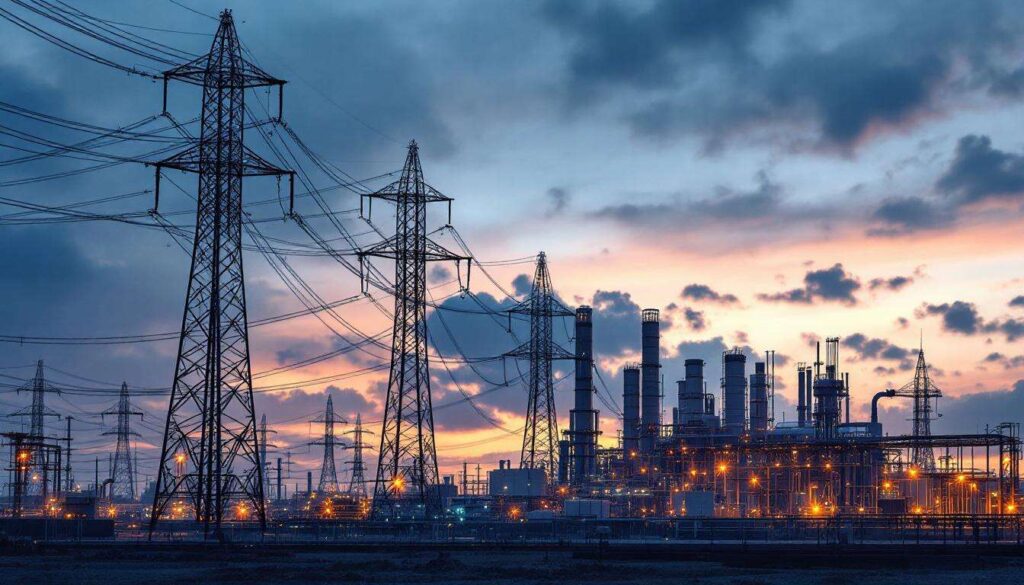
When the lights go out unexpectedly, modern life grinds to an uncomfortable halt. Refrigerators stop cooling, heating systems fail, communication devices run flat, and essential medical equipment loses power. Whether caused by severe weather, infrastructure failures, or planned maintenance, electricity disruptions affect millions of households annually across the United Kingdom. Fortunately, technological advances have made portable power stations increasingly accessible, offering reliable backup solutions that can keep critical devices running during blackouts. These compact energy reserves have evolved from bulky generators into sophisticated battery systems capable of powering everything from smartphones to refrigerators, providing peace of mind when the grid fails.
Common causes of power outages
Weather-related disruptions
Extreme weather events remain the primary culprit behind most power failures. Storms bring down power lines through high winds, lightning strikes damage transformers, and heavy snow accumulation weighs on cables until they snap. Flooding can submerge electrical substations, whilst ice storms create particularly hazardous conditions by coating infrastructure with heavy layers of frozen precipitation. The increasing frequency of severe weather patterns has made these disruptions more common and longer-lasting than in previous decades.
Infrastructure and equipment failures
Ageing electrical infrastructure presents ongoing challenges for power distribution networks. Many components of the national grid have exceeded their intended lifespan, making them vulnerable to unexpected failures. Equipment breakdowns occur when:
- Transformers overheat during periods of high demand
- Circuit breakers malfunction due to wear and tear
- Underground cables deteriorate from moisture exposure
- Substations experience technical faults
- Maintenance work reveals unexpected defects requiring immediate repair
Human factors and external interference
Beyond natural causes and equipment age, human activities frequently contribute to power disruptions. Construction accidents account for numerous outages when excavation equipment accidentally damages underground cables. Vehicle collisions with utility poles remain surprisingly common, whilst cyber attacks on energy infrastructure represent an emerging threat. Planned maintenance shutdowns, though necessary for system health, also temporarily disconnect customers from the grid. Understanding these various causes helps households prepare appropriate backup solutions for different scenarios.
The importance of power stations in emergencies
Maintaining essential functions
Backup power stations serve as crucial lifelines during electrical emergencies. They ensure that vital household systems continue operating when grid power fails. Medical equipment such as CPAP machines, oxygen concentrators, and medication refrigerators require uninterrupted electricity for patient safety. Communication devices including mobile phones and internet routers keep families connected to emergency services and loved ones. During winter outages, portable stations can power heating elements that prevent dangerous temperature drops, whilst in summer they maintain cooling systems that protect vulnerable individuals from heat-related illness.
Economic protection and food preservation
The financial impact of extended outages extends beyond inconvenience. A typical household refrigerator contains hundreds of pounds worth of perishable food that spoils rapidly without refrigeration. Freezers full of meat, vegetables, and prepared meals represent significant investments that become total losses after several hours without power. Power stations prevent this waste by maintaining refrigeration cycles, protecting both household budgets and reducing unnecessary food waste. Additionally, they enable continued productivity for remote workers whose livelihoods depend on powered devices and internet connectivity.
Safety and security considerations
Beyond practical concerns, backup power addresses fundamental safety needs. Security systems, including alarms and surveillance cameras, require continuous power to protect properties from opportunistic intruders who exploit darkened neighbourhoods. Lighting prevents accidents and falls during nighttime outages, particularly important for households with elderly residents or young children. The psychological comfort of maintaining some normalcy during emergencies should not be underestimated either, as power stations reduce stress and anxiety associated with complete electrical failure. These multifaceted benefits explain why emergency power solutions have transitioned from luxury items to essential household equipment.
Types of backup power stations available
Portable battery power stations
Lithium-ion battery stations represent the most popular modern solution for emergency backup power. These compact units store electrical energy in rechargeable batteries, offering clean, quiet operation without emissions or fuel requirements. They typically range from 200 watt-hours for basic models to over 3,000 watt-hours for high-capacity systems. Their key advantages include:
- Silent operation suitable for indoor use
- Zero emissions and no ventilation requirements
- Multiple charging options including solar panels
- Instant power availability without warm-up periods
- Minimal maintenance compared to fuel-based alternatives
- Integrated safety features preventing overcharging and overheating
Traditional fuel-powered generators
Petrol and diesel generators remain viable options for extended outages requiring substantial power output. These combustion-based systems can run indefinitely provided fuel supplies remain available, making them suitable for scenarios where grid restoration may take days or weeks. However, they produce noise and exhaust fumes requiring outdoor placement, and their operation involves ongoing fuel costs and regular maintenance schedules including oil changes and spark plug replacements.
Hybrid and solar-integrated systems
Hybrid power stations combine battery storage with renewable energy inputs, particularly solar panels. These systems offer exceptional versatility by recharging from multiple sources: mains electricity before outages, vehicle charging ports during travel, and solar energy during extended grid failures. Some advanced models feature expandable battery modules that increase capacity as household needs grow, whilst integrated inverters convert stored DC power into standard AC output for conventional appliances. The flexibility of these systems makes them increasingly attractive for households seeking comprehensive emergency preparedness.
| Power station type | Typical capacity | Runtime (refrigerator) | Noise level | Emissions |
|---|---|---|---|---|
| Portable battery station | 500-3,000 Wh | 6-36 hours | Silent | Zero |
| Petrol generator | 2,000-7,000 W | Unlimited with fuel | 70-90 dB | High |
| Solar hybrid system | 1,000-5,000 Wh | 12-60 hours | Silent | Zero |
Selecting the appropriate type depends on specific household requirements, budget constraints, and the likely duration and frequency of local power outages.
Criteria for choosing an emergency power station
Power capacity and output requirements
Determining the correct power capacity begins with calculating total wattage requirements for essential devices. A typical refrigerator consumes 150-400 watts continuously, whilst laptops require 50-100 watts and mobile phone chargers use approximately 10-20 watts. Medical equipment specifications vary widely, making it crucial to check individual device requirements. Surge wattage deserves particular attention, as appliances with motors or compressors require significantly higher power during startup than during normal operation. A refrigerator rated at 200 watts continuous might demand 600-800 watts for several seconds when the compressor engages. Quality power stations specify both continuous and surge ratings, ensuring they can handle these temporary spikes without shutting down.
Battery technology and lifespan
Modern power stations predominantly use lithium-ion batteries, but significant variations exist within this category. Lithium iron phosphate (LiFePO4) chemistry offers superior longevity and safety compared to standard lithium-ion cells, typically providing 2,000-3,500 charge cycles before capacity degradation becomes noticeable. Standard lithium-ion batteries usually deliver 500-1,000 cycles. This difference substantially affects long-term value, as a unit with triple the cycle life effectively lasts three times longer despite potentially higher initial cost. Temperature tolerance also varies, with some batteries performing poorly in cold conditions whilst others maintain efficiency across wider temperature ranges.
Portability and build quality
Physical characteristics significantly impact usability during actual emergencies. Weight becomes critical if the station requires relocation during outages, with compact models weighing 5-10 kilograms offering easier handling than 20-30 kilogram units. Integrated handles, protective corners, and durable casings protect internal components during transport and storage. Display screens showing remaining capacity, power draw, and estimated runtime help users manage resources effectively. The availability and variety of output ports determines versatility, with useful stations providing:
- Multiple AC outlets for standard appliances
- USB-A and USB-C ports for mobile devices
- 12V car socket outputs for automotive accessories
- DC barrel connectors for specialised equipment
Recharging options and speed
Recharging flexibility proves invaluable during extended emergencies. Stations accepting solar panel inputs enable indefinite operation during prolonged grid failures, whilst car charging capabilities allow replenishment during travel or from vehicle batteries. Mains charging speed varies dramatically between models, with some requiring 8-12 hours for full recharge whilst others utilise fast-charging technology completing the process in 2-3 hours. This specification becomes particularly relevant when power returns intermittently, as faster charging maximises stored energy during brief restoration periods before subsequent outages.
After establishing these technical requirements, understanding the broader advantages of modern systems helps justify the investment in quality emergency power solutions.
Economic and ecological benefits of modern power stations
Long-term cost savings
Although portable power stations require substantial upfront investment, their economic benefits accumulate over time. Unlike fuel-powered generators demanding ongoing petrol or diesel purchases, battery stations operate on stored electricity costing mere pence per charge. A typical 1,500 watt-hour station costs approximately £0.45 to fully recharge at standard UK electricity rates, providing hours of backup power at minimal expense. Maintenance costs remain negligible, eliminating oil changes, air filter replacements, and spark plug servicing required by combustion generators. The extended lifespan of quality lithium batteries, particularly LiFePO4 chemistry, spreads the initial cost across thousands of charging cycles, ultimately delivering lower cost per use than disposable alternatives.
Environmental advantages
The ecological credentials of battery-based power stations significantly surpass traditional generators. Zero emissions during operation mean no carbon dioxide, carbon monoxide, or particulate matter released into the atmosphere. This clean operation permits safe indoor use without ventilation concerns, whilst eliminating the environmental damage associated with fuel extraction, refinement, transport, and combustion. When paired with solar charging capabilities, these systems achieve complete energy independence from fossil fuels, harnessing renewable sunlight to replenish stored power. Even when charged from grid electricity, the overall carbon footprint remains substantially lower than burning petrol or diesel directly, particularly as the UK electricity grid incorporates increasing proportions of renewable generation.
Versatility beyond emergency use
Modern power stations deliver value extending beyond occasional outages. Their portability makes them ideal for camping, outdoor events, and remote work locations lacking mains electricity. Photographers and videographers use them to power lighting equipment and charge camera batteries on location. Construction professionals rely on them for cordless tool charging at sites without electrical hookups. Festival attendees and caravan owners appreciate the convenience of powering devices without running noisy generators. This multi-purpose functionality ensures the investment provides regular utility rather than sitting unused between emergencies, improving overall cost-effectiveness whilst familiarising users with operation before actual crisis situations arise.
Maximising these benefits requires understanding proper operational techniques that extend equipment life and ensure reliable performance when needed most.
Tips for optimal use of power stations during outages
Prioritising power allocation
Strategic power management extends available runtime during prolonged outages. Creating a prioritised list before emergencies occur prevents hasty decisions under stress. Essential medical equipment and refrigeration typically receive highest priority, followed by communication devices and lighting. Non-essential loads such as entertainment systems, kitchen appliances beyond refrigeration, and comfort devices should be disconnected to conserve stored energy. Calculating approximate runtime for priority devices helps establish realistic expectations, with the formula being battery capacity in watt-hours divided by device consumption in watts. A 1,000 watt-hour station powering a 200-watt refrigerator provides approximately five hours of operation, though actual performance varies with compressor cycling and ambient temperature.
Maintaining optimal charge levels
Battery longevity depends significantly on proper charge maintenance. Lithium batteries prefer storage at 50-70% charge rather than completely full or empty, with prolonged periods at extreme charge states accelerating degradation. During normal conditions, recharging when capacity drops to 20-30% and disconnecting at 80-90% optimises lifespan, though full charges remain acceptable before anticipated outages. Temperature management also affects performance, with storage in cool, dry locations preventing heat-related capacity loss. Extreme cold reduces available capacity temporarily, though warming the unit to room temperature before use restores normal function.
Regular testing and preparedness
Periodic testing ensures equipment functions correctly when genuinely needed. Monthly checks involving full discharge and recharge cycles maintain battery health whilst confirming all outputs operate properly. This routine also familiarises household members with controls and capabilities, reducing confusion during actual emergencies. Maintaining accessible documentation including user manuals, device power requirements, and emergency contact numbers alongside the power station streamlines crisis response. Keeping extension cords, adapters, and any necessary cables organised with the unit prevents frantic searching during outages.
Combining with other preparedness measures
Power stations function most effectively as components of comprehensive emergency plans. Stocking non-perishable food reduces refrigeration dependency, whilst battery-powered torches and lanterns supplement electrical lighting. Maintaining charged power banks provides redundant mobile device charging capacity. Understanding local emergency services procedures and having alternative communication methods, such as battery-powered radios, ensures connectivity if cellular networks fail. Integrating power stations into broader household preparedness creates resilient systems capable of weathering extended disruptions with minimal hardship.
- Store power stations in easily accessible locations known to all household members
- Label priority devices requiring backup power during outages
- Maintain updated lists of device power requirements and approximate runtimes
- Schedule quarterly maintenance checks including capacity testing
- Keep solar panels clean and properly positioned for optimal charging efficiency
- Rotate stored fuel if maintaining backup generators alongside battery stations
Electrical outages, though disruptive, need not result in extended hardship when appropriate backup solutions exist. Modern portable power stations have evolved into sophisticated, reliable systems capable of maintaining essential household functions during grid failures. Understanding common outage causes helps households prepare appropriately, whilst recognising the critical importance of backup power motivates proper investment in quality equipment. The variety of available systems ensures suitable options exist for different requirements and budgets, from compact battery stations for basic needs to comprehensive solar-integrated systems for extended independence. Selecting appropriate capacity, battery technology, and features requires careful assessment of household priorities and likely usage scenarios. Beyond immediate emergency utility, these systems deliver ongoing economic and environmental benefits through fuel-free operation, minimal maintenance, and versatile applications beyond crisis situations. Implementing proper usage techniques including strategic power allocation, optimal charge maintenance, and regular testing maximises equipment longevity and ensures reliable performance when needed most. As climate-related disruptions increase and infrastructure ages, backup power transitions from optional luxury to prudent necessity, providing peace of mind and practical protection for modern households dependent on continuous electricity supply.