



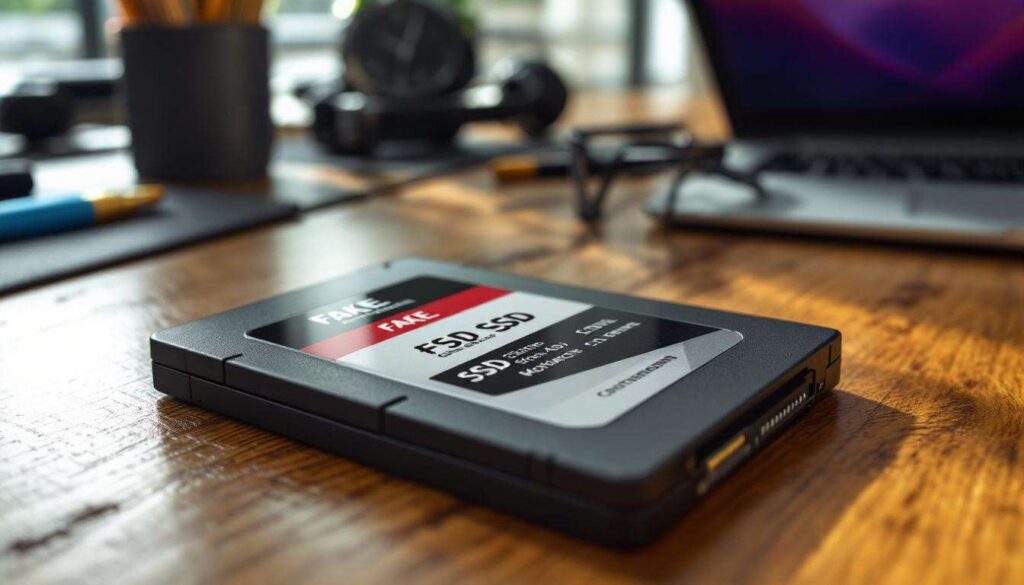
The promise of massive storage capacity at bargain prices sounds irresistible, yet it often masks a sophisticated fraud that has proliferated across online marketplaces. Counterfeit solid-state drives have become increasingly prevalent, with sellers advertising impossibly large capacities at suspiciously low prices. These fraudulent devices employ clever technical tricks to deceive both operating systems and unsuspecting buyers, creating the illusion of legitimate storage whilst actually providing a fraction of the advertised space. Understanding how these scams operate and recognising their telltale signs has become essential for anyone purchasing storage devices online.
Understanding the phenomenon of counterfeit SSDs
The mechanics of capacity manipulation
Counterfeit SSDs rely on firmware manipulation to misrepresent their true capacity. Fraudsters take genuine but low-capacity flash memory chips and reprogram the controller firmware to report vastly inflated storage figures. When connected to a computer, these drives convincingly display capacities of 1TB, 2TB, or even larger, despite containing only 32GB or 64GB of actual storage. The operating system reads the falsified information from the controller and displays it as legitimate, making detection initially impossible without proper testing.
The looping write mechanism
The technical deception operates through a circular write pattern. When data exceeds the genuine capacity, the controller begins overwriting previously stored information without warning. This creates several problematic scenarios:
- Initial file transfers appear successful, encouraging continued use
- Data corruption occurs silently as new files overwrite existing ones
- The drive maintains the illusion of available space throughout the process
- Users discover the fraud only when attempting to access corrupted or missing files
This mechanism explains why buyers initially believe they have received a legitimate product, only discovering the deception weeks or months later when critical data has vanished.
The scale of the counterfeit market
The counterfeit SSD industry has grown substantially, particularly on platforms offering direct-from-manufacturer pricing. Reports indicate that fraudulent storage devices account for a significant proportion of suspiciously cheap listings on various marketplaces. The following table illustrates typical pricing disparities:
| Advertised Capacity | Legitimate Price Range | Counterfeit Listing Price | Actual Capacity |
|---|---|---|---|
| 1TB | £80-£120 | £15-£25 | 32GB-64GB |
| 2TB | £150-£220 | £25-£40 | 64GB-128GB |
| 4TB | £300-£450 | £40-£60 | 128GB-256GB |
These price discrepancies represent the most obvious warning sign, yet countless consumers continue falling victim to these schemes. The sheer volume of fraudulent listings and the sophisticated presentation employed by sellers contribute to the ongoing success of this criminal enterprise, making awareness and verification increasingly important for potential buyers.
Identifying deceptive characteristics
Visual and packaging inconsistencies
Counterfeit SSDs often exhibit subtle manufacturing flaws that distinguish them from genuine products. The casing may feature uneven seams, poor-quality printing, or misspelt brand names. Packaging typically lacks the professional finish of legitimate products, with low-resolution logos, grammatical errors in documentation, and missing security seals. Weight differences also provide clues, as counterfeit drives frequently feel lighter due to cheaper internal components or empty space within the housing.
Suspicious seller profiles and listings
The marketplace presence of fraudulent sellers reveals consistent patterns. Key indicators include:
- Recently created seller accounts with limited transaction history
- Generic product descriptions lacking technical specifications
- Stock photographs rather than actual product images
- Absence of manufacturer warranty information
- Shipping exclusively from specific overseas locations
- Reviews mentioning data loss or capacity discrepancies
Performance anomalies during initial use
Even before formal testing, performance characteristics may reveal fraudulent devices. Genuine SSDs maintain consistent write speeds throughout data transfers, whilst counterfeit drives often exhibit dramatic speed reductions once the genuine capacity fills. Transfer rates that seem unusually slow for advertised specifications, unexpected pauses during file operations, or system freezes when accessing stored data all suggest potential counterfeits. These practical observations complement technical testing methods in identifying fraudulent products.
Recognising these warning signs represents only the first step; understanding the genuine risks posed by counterfeit storage devices reveals why vigilance matters beyond mere financial loss.
The hidden dangers of counterfeit SSDs
Catastrophic data loss scenarios
The most immediate danger involves irreversible data destruction. As counterfeit drives overwrite existing files to accommodate new data, users lose precious photographs, important documents, and critical backups without warning. The circular write pattern means that recovery becomes impossible once overwriting occurs. Individuals have lost years of family photographs, businesses have suffered from destroyed financial records, and professionals have watched irreplaceable creative work vanish. Unlike mechanical failures that sometimes permit data recovery, the deliberate overwriting mechanism in counterfeit SSDs ensures permanent loss.
Security vulnerabilities and privacy concerns
Beyond data loss, counterfeit SSDs introduce significant security risks. The modified firmware required to misrepresent capacity could contain additional malicious code designed to:
- Monitor and transmit stored data to unauthorised parties
- Create backdoors for remote system access
- Install malware or ransomware onto connected computers
- Capture passwords and sensitive financial information
- Compromise encryption and security measures
Whilst not all counterfeit drives contain such malware, the unverified nature of their firmware creates inherent vulnerabilities that legitimate manufacturers actively prevent through rigorous security protocols.
Financial and professional consequences
The ripple effects of counterfeit SSD failures extend well beyond the initial purchase price. Businesses face operational disruptions, missed deadlines, and potential legal liability when client data disappears. Professionals may lose billable work, damage client relationships, and suffer reputational harm. The cost of attempting data recovery, replacing the fraudulent device with legitimate storage, and recreating lost work often exceeds hundreds or thousands of pounds. For organisations subject to data protection regulations, the use of unverified storage devices could result in compliance violations and associated penalties.
Given these substantial risks, implementing robust testing procedures before trusting any new storage device with valuable data becomes not merely advisable but essential.
How to test an SSD to detect a counterfeit
Using H2testw for capacity verification
The H2testw utility remains the gold standard for detecting counterfeit storage devices. This free software writes test data across the entire advertised capacity, then reads it back to verify integrity. The process involves filling the drive completely with known data patterns, which forces any capacity fraud to reveal itself. Genuine drives pass this test by correctly storing and retrieving all written data, whilst counterfeits fail when the software attempts to read data that was overwritten due to insufficient actual capacity. Testing typically requires several hours depending on advertised size, but this investment prevents far greater losses later.
Alternative testing methods and tools
Several other applications provide similar verification capabilities:
- FakeFlashTest offers comparable functionality with a different interface
- CrystalDiskMark reveals performance inconsistencies through speed testing
- Check Flash provides both error checking and capacity verification
- F3 serves as a cross-platform alternative for Linux and macOS users
Each tool approaches verification slightly differently, but all share the fundamental principle of writing and verifying data across the full advertised capacity to expose discrepancies.
Interpreting test results correctly
Understanding test outcomes requires recognising specific failure patterns. A genuine drive completes testing with zero errors and consistent performance throughout. Counterfeit devices typically reveal themselves through distinct signatures: sudden drops to zero available space far below advertised capacity, widespread data corruption during verification, or complete failure to complete the test. The following table summarises typical results:
| Test Outcome | Interpretation | Recommended Action |
|---|---|---|
| Complete success, no errors | Likely genuine device | Proceed with normal use |
| Failure at specific capacity point | Confirmed counterfeit | Cease use immediately, seek refund |
| Widespread corruption throughout | Defective or counterfeit | Return for replacement or refund |
| Inconsistent performance patterns | Potentially counterfeit or failing | Additional testing recommended |
Armed with verification methods and the ability to interpret results, consumers can now focus on preventative measures to avoid purchasing counterfeits altogether.
Protecting against purchasing fraudulent SSDs
Selecting reputable retailers and authorised resellers
The most effective protection involves purchasing exclusively from established retailers with verifiable reputations. Authorised resellers maintain direct relationships with manufacturers, ensuring product authenticity through controlled supply chains. Major electronics retailers, official brand websites, and recognised online marketplaces with robust buyer protection programmes offer significantly lower counterfeit risks. Whilst prices may exceed those found on unfamiliar platforms, the guarantee of authenticity justifies the premium. Checking manufacturer websites for lists of authorised distributors provides additional verification before purchase.
Recognising realistic pricing expectations
Understanding legitimate market pricing prevents falling victim to too-good-to-be-true offers. Genuine SSDs follow predictable pricing structures based on capacity, performance specifications, and brand reputation. Deals offering discounts exceeding 30-40% below established market rates warrant immediate suspicion. Seasonal sales and promotional periods do offer legitimate savings, but extreme price disparities invariably indicate fraud. Comparing prices across multiple reputable retailers establishes realistic expectations and highlights suspicious outliers.
Verifying product authenticity indicators
Legitimate manufacturers implement various authentication features:
- Unique serial numbers verifiable through manufacturer databases
- Holographic security labels that change appearance when viewed from different angles
- QR codes linking to official product registration pages
- Manufacturer warranty cards with contact information for verification
- Tamper-evident packaging seals
Taking time to verify these features before completing a purchase and again upon delivery significantly reduces counterfeit risk. Many manufacturers provide online tools for checking serial number authenticity, offering immediate confirmation of legitimacy.
Despite best efforts at prevention, some consumers inevitably discover they have purchased counterfeit devices, making knowledge of available remedies crucial for recovering losses and holding fraudsters accountable.
Possible remedies when purchasing a counterfeit SSD
Immediate steps following discovery
Upon confirming a counterfeit purchase, immediate action maximises recovery prospects. Stop using the device instantly to prevent further data loss, and document everything through photographs of the product, packaging, and test results showing the fraud. Preserve all purchase documentation, including receipts, listing screenshots, and communication with the seller. This evidence proves essential for disputes with sellers, marketplace platforms, and payment providers. Contact the seller promptly with clear evidence of the counterfeit, requesting a full refund including return shipping costs.
Leveraging marketplace buyer protection programmes
Most established online marketplaces offer buyer protection schemes specifically addressing counterfeit products. These programmes typically guarantee refunds when items significantly differ from descriptions or prove fraudulent. Filing claims requires submitting collected evidence and following platform-specific procedures within designated timeframes. Escalating unresolved disputes to platform mediation often yields results when sellers refuse cooperation. Payment processors including credit card companies and PayPal provide additional dispute resolution mechanisms, frequently ruling in favour of buyers when counterfeit evidence proves compelling.
Reporting to authorities and consumer protection agencies
Beyond personal remedies, reporting counterfeit sales serves the broader community by enabling enforcement action. Appropriate reporting channels include:
- Local trading standards offices for UK-based transactions
- Action Fraud for reporting to law enforcement
- The Intellectual Property Office regarding trademark violations
- Citizens Advice consumer service for guidance and complaint lodging
- Marketplace platforms’ counterfeit reporting systems
Whilst individual reports may not immediately result in prosecution, accumulated complaints build cases against persistent fraudsters and inform enforcement priorities. Manufacturers also appreciate notification of counterfeit products bearing their branding, as this information supports their own anti-counterfeiting efforts and legal actions against infringers.
The proliferation of counterfeit SSDs represents a significant threat to consumers seeking affordable storage solutions. These fraudulent devices employ sophisticated firmware manipulation to misrepresent capacity, creating illusions of legitimate products whilst actually providing minimal storage and posing serious risks of data loss. Recognising warning signs including unrealistic pricing, suspicious seller profiles, and packaging inconsistencies enables consumers to avoid these scams. Testing new devices thoroughly before trusting them with valuable data provides essential verification, whilst purchasing exclusively from reputable retailers offers the strongest protection. When counterfeits slip through defences, prompt action utilising marketplace protections and reporting mechanisms helps recover losses and combat this persistent fraud. Vigilance, verification, and informed purchasing decisions remain the most effective defences against an increasingly sophisticated counterfeit market.