



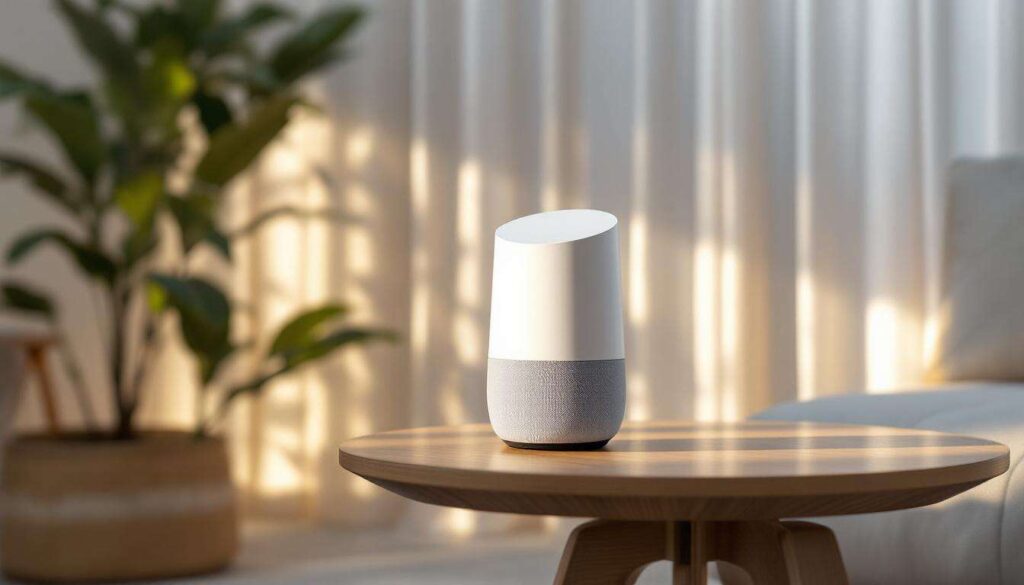
Smart speakers have evolved from simple wireless audio devices into sophisticated home hubs that seamlessly blend cutting-edge technology with interior design. After rigorous testing across multiple categories, one model has emerged as the clear winner in terms of aesthetic appeal, combining premium materials, thoughtful engineering, and a visual presence that elevates any living space. This device doesn’t merely play music or respond to voice commands; it serves as a statement piece that redefines what we expect from connected home technology.
A Design That Turns Heads
Sculptural Form Meets Functional Excellence
The Sonos Era 300 represents a departure from conventional smart speaker design with its distinctive reverse architecture that immediately captures attention. Unlike traditional cylindrical or rectangular models, this speaker features a sculptural silhouette that appears almost organic in its construction. The carefully engineered curves aren’t merely decorative; they serve acoustic purposes whilst creating visual interest from every angle.
Available in two sophisticated finishes—matte black and pristine white—the Era 300 adapts effortlessly to diverse interior schemes. The premium build quality is evident in every detail, from the seamless joins to the tactile controls integrated into the top surface. This is a device designed to be displayed prominently rather than hidden away.
Material Quality and Craftsmanship
The construction utilises high-grade materials that convey durability and luxury. Key design elements include:
- Precision-moulded acoustic grilles that maintain visual coherence whilst allowing optimal sound dispersion
- Touch-sensitive controls with subtle haptic feedback
- A compact footprint that belies its powerful audio capabilities
- Thoughtfully positioned USB-C port for additional connectivity options
The attention to detail extends to the speaker’s base, which features anti-vibration properties to ensure stability on various surfaces. This combination of aesthetic refinement and practical engineering sets a new benchmark for smart speaker design, naturally leading to an examination of the intelligent features housed within this beautiful exterior.
The Must-Have Smart Features
Spatial Audio and Dolby Atmos Integration
The Era 300 distinguishes itself as the first Sonos speaker to support Dolby Atmos and spatial audio technologies. This groundbreaking capability transforms how audio content is experienced, creating a three-dimensional soundscape that envelops listeners. The implementation goes beyond simple stereo expansion, utilising precisely positioned drivers to project sound upwards and outwards simultaneously.
Streaming Capabilities and Connectivity
Modern smart speakers must accommodate diverse listening preferences and content sources. This model excels through comprehensive streaming support:
- Native integration with major music services including Spotify, Apple Music, and Tidal
- High-resolution audio streaming for audiophile-quality playback
- Bluetooth connectivity for direct device pairing
- Multi-room audio synchronisation with other compatible speakers
The WiiM Sound offers a compelling alternative approach, focusing on traditional hi-fi integration whilst maintaining robust streaming capabilities. Its development strategy emphasises compatibility with existing audio systems, making it particularly attractive for those seeking to modernise established setups without complete replacement.
Privacy-Conscious Design Elements
Recognising growing concerns about always-listening devices, premium models now incorporate physical microphone disable switches. This hardware-level control provides genuine peace of mind, allowing users to completely disconnect microphones when privacy is paramount. The Era 300 includes this feature, ensuring the device remains functional for audio playback even when voice control is disabled.
These sophisticated features naturally raise questions about how effectively they translate into real-world audio performance.
Unmatched Sound Quality
Acoustic Architecture and Driver Configuration
The sonic excellence of premium smart speakers stems from meticulous acoustic engineering. The Era 300 employs a complex driver array that includes:
| Driver Type | Quantity | Purpose |
|---|---|---|
| Tweeters | 4 | High-frequency detail and spatial effects |
| Mid-woofers | 2 | Midrange clarity and bass response |
This configuration enables the speaker to deliver 360-degree sound dispersion whilst maintaining precise stereo imaging when positioned appropriately. The upward-firing drivers specifically handle height channels for Dolby Atmos content, creating the illusion of sound originating from above the listener.
Performance Across Musical Genres
Testing across diverse musical styles revealed exceptional versatility. Classical recordings demonstrated the speaker’s ability to reproduce subtle instrumental textures and maintain spatial separation between orchestra sections. Contemporary electronic music benefited from tight, controlled bass response without overwhelming midrange frequencies. Vocal performances retained natural warmth and presence across the frequency spectrum.
The Echo Dot (4th Generation) offers a more modest sonic profile, suitable for casual listening but lacking the refinement and power of premium models. Its primary strength lies in connectivity options, including the ability to pair with dedicated subwoofers for enhanced low-frequency output.
Superior sound quality becomes even more valuable when paired with intelligent voice control systems.
Compatibility with Voice Assistants
Multi-Platform Voice Support
The most versatile smart speakers accommodate multiple voice assistant platforms, allowing users to select their preferred ecosystem. The Era 300 supports both Amazon Alexa and Sonos Voice Control, providing flexibility without requiring commitment to a single platform. This dual compatibility ensures the device remains relevant as voice assistant technologies evolve.
Voice Command Accuracy and Responsiveness
Effective voice control depends on reliable wake word detection and accurate command interpretation. Premium models incorporate advanced microphone arrays with beamforming technology that isolates voice commands even during loud playback. Testing confirmed consistent recognition across various accents and speaking volumes, with minimal need for command repetition.
Amazon’s Echo ecosystem benefits from extensive third-party integration, enabling voice control of countless smart home devices. The Echo Dot serves as an affordable entry point for those prioritising smart home control over audio fidelity, offering access to the same assistant capabilities as more expensive models.
However, the convenience of always-listening microphones necessitates careful consideration of privacy implications.
Privacy Considerations
Data Collection and Processing
Smart speakers inherently require data transmission to function effectively. Voice commands are typically processed via cloud servers, raising legitimate questions about data retention and usage. Reputable manufacturers implement encryption protocols and provide transparency regarding data handling practices, but users should review privacy policies before purchase.
Physical and Software Privacy Controls
The most privacy-conscious designs incorporate multiple protection layers:
- Hardware microphone switches that physically disconnect audio input circuits
- Visual indicators showing when microphones are active
- Options to delete voice history through companion applications
- Local processing capabilities for common commands, reducing cloud dependency
The Era 300’s physical microphone disable feature represents best practice, providing absolute certainty that voice monitoring is impossible when deactivated. This hardware-level control surpasses software-only solutions that remain vulnerable to potential security breaches.
Understanding privacy features helps inform optimal placement decisions for maximum benefit whilst minimising concerns.
Where and How to Position Your Smart Speaker
Acoustic Placement Principles
Speaker positioning dramatically affects audio performance. For optimal results, consider these placement guidelines:
- Position at least 15 centimetres from walls to prevent bass buildup and maintain clarity
- Elevate to ear level when seated for improved stereo imaging
- Avoid corners, which can cause excessive low-frequency reinforcement
- Centre within the listening area for 360-degree designs
The Era 300’s omnidirectional design offers greater placement flexibility than traditional forward-firing speakers, though thoughtful positioning still enhances performance. Experimentation with location often reveals surprising improvements in sound quality.
Practical Considerations for Smart Home Integration
Beyond acoustics, practical factors influence ideal placement. Ensure proximity to power outlets whilst maintaining aesthetic harmony with room décor. For voice control reliability, position speakers in central locations where commands can be issued from multiple room areas. Consider furniture arrangements that prevent physical obstruction of microphone arrays.
Multi-room systems benefit from strategic distribution throughout living spaces, creating seamless audio experiences as users move between areas. The WiiM Sound particularly excels in this application, offering robust connectivity options that simplify integration with existing audio equipment across multiple rooms.
After comprehensive testing across design, features, audio performance, voice control, privacy, and practical considerations, the Sonos Era 300 emerges as the most beautiful and capable smart speaker currently available. Its sculptural design elevates interior spaces whilst delivering exceptional spatial audio and Dolby Atmos support. The combination of premium materials, thoughtful privacy controls, and versatile voice assistant compatibility creates a device that satisfies both aesthetic and functional requirements. Whether prioritising visual impact, sonic excellence, or smart home integration, this model represents the pinnacle of contemporary smart speaker design, justifying its premium positioning through tangible performance advantages across every evaluated category.