



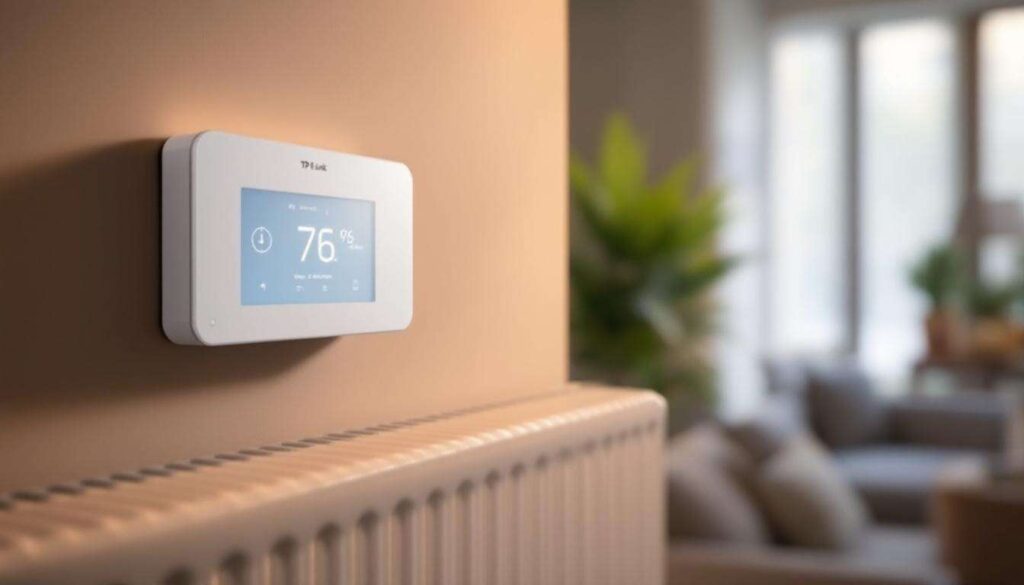
Energy bills continue to climb, pushing households to seek innovative solutions for reducing consumption without sacrificing comfort. The TP-Link smart radiator thermostat emerges as a compelling answer, combining cutting-edge technology with user-friendly design. Currently available at an unprecedented low price on Amazon, this device promises to revolutionise home heating management whilst delivering substantial savings. By enabling precise temperature control room by room, it addresses one of the most significant contributors to household energy expenditure during colder months.
Presentation of the smart TP-Link thermostat
Core specifications and design
The TP-Link smart radiator thermostat represents a sophisticated yet accessible entry point into intelligent heating management. This compact device attaches directly to individual radiators, replacing traditional thermostatic radiator valves with a digitally controlled alternative. Its sleek white exterior houses advanced sensors and connectivity components, whilst maintaining a discreet profile that blends seamlessly with most interior designs. The integrated LCD display provides real-time temperature readings and operational status at a glance.
Connectivity and smart home integration
Built with modern connectivity standards, the thermostat operates via Wi-Fi networks, eliminating the need for proprietary hubs or additional hardware investments. This approach simplifies installation and reduces overall system costs. The device integrates seamlessly with popular voice assistants, enabling hands-free temperature adjustments through simple commands. Users can manage settings remotely through the dedicated Tapo application, available for both iOS and Android platforms.
Package contents and pricing advantage
Each unit includes the thermostat valve, mounting adapters compatible with standard radiator fittings, and comprehensive installation instructions. The current Amazon promotion represents a significant reduction from the recommended retail price, making this technology accessible to budget-conscious consumers. This pricing strategy positions TP-Link competitively within the smart heating sector whilst maintaining the quality standards expected from established technology manufacturers.
Understanding the technical foundations of this device sets the stage for exploring how its advanced capabilities translate into practical heating control.
Advanced features for precise control
Scheduling and automation capabilities
The thermostat’s scheduling functionality allows users to create customised heating programmes tailored to daily routines. Different temperature profiles can be established for various times throughout the week, ensuring rooms reach comfortable temperatures precisely when needed. This granular control extends to individual days, accommodating irregular schedules or weekend variations. The system learns from user preferences over time, suggesting optimisations that further enhance efficiency.
Geolocation-based automation
Through smartphone integration, the device can detect when occupants leave or return home, automatically adjusting temperatures accordingly. This intelligent presence detection prevents energy waste by reducing heating output when properties are unoccupied. The feature operates within user-defined parameters, maintaining minimum temperatures to prevent issues such as pipe freezing whilst maximising savings during absences.
Temperature precision and sensor accuracy
Equipped with high-precision sensors, the thermostat maintains temperatures within 0.5-degree increments, offering far greater accuracy than mechanical alternatives. This precision eliminates the temperature fluctuations common with traditional valves, creating more consistent comfort levels. The device continuously monitors ambient conditions, making micro-adjustments that maintain desired temperatures without the energy-wasting overshoots typical of less sophisticated systems.
Multi-room zoning capabilities
When multiple units are deployed throughout a property, they create independent heating zones that can be controlled separately. This zoning approach delivers several advantages:
- Bedrooms can be kept cooler during daytime hours whilst living areas remain warm
- Unused rooms can be maintained at lower temperatures without affecting occupied spaces
- Individual preferences can be accommodated when household members have different comfort requirements
- Heating output can be concentrated where needed most, reducing overall energy consumption
These sophisticated control mechanisms directly contribute to the financial and environmental advantages that make smart thermostats increasingly attractive.
Economic and ecological benefits
Quantifiable energy savings
Independent studies indicate that smart radiator thermostats can reduce heating costs by 20 to 30 per cent compared to traditional systems. These savings accumulate rapidly, with many users recovering the initial investment within a single heating season. The precise temperature control eliminates the common practice of overheating spaces, which accounts for substantial unnecessary expenditure in conventionally heated homes.
Environmental impact reduction
Beyond financial considerations, reduced energy consumption translates directly into lower carbon emissions. Each kilowatt-hour saved represents a measurable decrease in environmental impact, particularly in regions where electricity generation relies on fossil fuels. The cumulative effect of widespread smart thermostat adoption could significantly contribute to national carbon reduction targets, making individual purchasing decisions part of broader environmental solutions.
Cost-benefit analysis
| Factor | Traditional thermostat | TP-Link smart thermostat |
|---|---|---|
| Initial cost | £15-30 | £40-60 (current promotion) |
| Annual energy savings | Baseline | £150-200 |
| Payback period | N/A | 4-6 months |
| Remote control capability | No | Yes |
| Scheduling options | Limited | Comprehensive |
Achieving these benefits depends largely on proper installation and system compatibility, factors that warrant careful consideration before purchase.
Installation and compatibility with existing systems
Installation process overview
The TP-Link thermostat features a tool-free installation process designed for completion by homeowners without specialist knowledge. The procedure typically requires 15 to 20 minutes per unit and involves removing the existing thermostatic valve head and securing the smart replacement. Detailed visual guides within the mobile application supplement printed instructions, providing step-by-step assistance throughout installation.
Radiator valve compatibility
The device includes adapters compatible with the majority of radiator valve types found in UK properties. These adapters accommodate different thread sizes and connection standards, ensuring broad applicability across various heating systems. However, some older or specialist radiator models may require additional adapters, which are typically available separately from plumbing suppliers.
System requirements and network considerations
Successful operation requires a stable Wi-Fi connection with adequate signal strength at each radiator location. Properties with thick walls or multiple floors may need Wi-Fi range extenders to ensure reliable connectivity throughout. The thermostat operates on standard 2.4 GHz networks, which offer better range than 5 GHz alternatives, though connection speeds remain more than sufficient for the device’s modest data requirements.
Understanding how this product compares with alternatives helps consumers make informed decisions within an increasingly crowded marketplace.
Comparison with other smart thermostats
Market positioning against premium brands
Whilst premium manufacturers such as Tado and Netatmo offer comparable functionality, their products typically command significantly higher prices. The TP-Link alternative delivers core smart heating features at a more accessible price point, making the technology viable for cost-conscious consumers. This democratisation of smart home technology represents an important market development, expanding adoption beyond early adopters and technology enthusiasts.
Feature comparison with competitors
The TP-Link thermostat matches or exceeds competitor offerings in several key areas:
- Battery life comparable to leading alternatives, typically lasting six months between replacements
- Temperature accuracy matching premium devices despite lower pricing
- Simplified setup process requiring no professional installation
- Integration with major voice assistant platforms without subscription fees
Real-world user experiences provide valuable insights beyond technical specifications and marketing claims.
User reviews and feedback
Customer satisfaction ratings
Amazon reviews consistently award the TP-Link thermostat four to five stars, with particular praise for ease of installation and intuitive application design. Users frequently highlight the responsive customer support and regular firmware updates that introduce new features and improvements. The straightforward setup process receives commendation from less technically inclined purchasers who successfully installed units without assistance.
Common criticisms and limitations
Some users report occasional connectivity issues, particularly in properties with complex Wi-Fi environments or significant interference. Battery life, whilst generally satisfactory, varies depending on usage patterns and ambient temperatures. A minority of reviewers note compatibility challenges with older radiator valves, though these situations typically resolve with appropriate adapters.
The TP-Link smart radiator thermostat delivers impressive functionality at a competitive price point, particularly given current promotional pricing. Its combination of precise temperature control, comprehensive scheduling options, and remote management capabilities addresses the primary requirements of modern heating systems. The quantifiable energy savings and environmental benefits provide compelling justification beyond mere technological convenience. Whilst premium alternatives offer marginal advantages in specific areas, the TP-Link device represents exceptional value for households seeking to modernise heating control without substantial investment. The current Amazon promotion makes this an opportune moment for consumers considering smart heating solutions.