



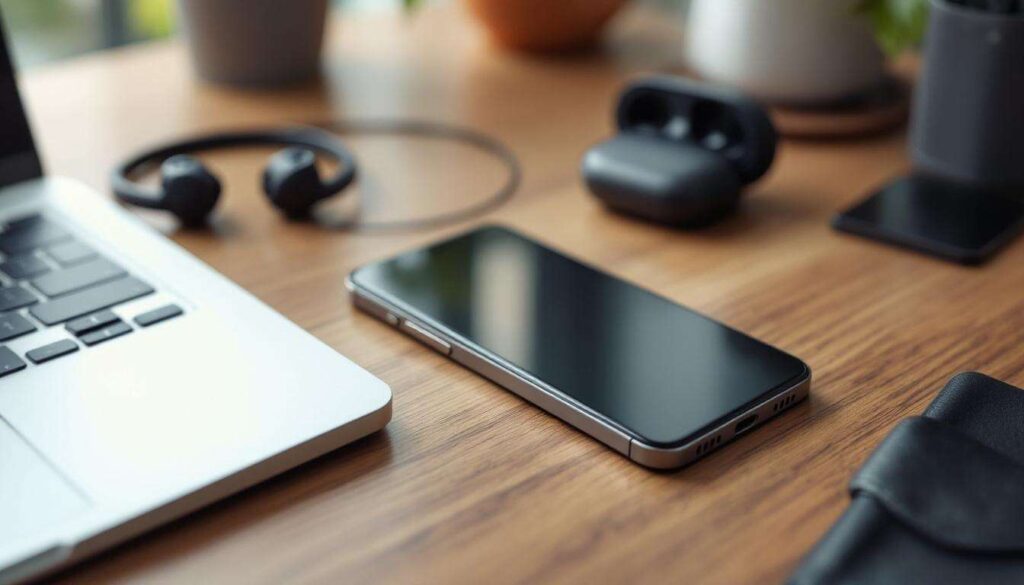
Consumers seeking a new smartphone typically gravitate towards established names, yet recent reliability studies reveal surprising findings. Industry analysis demonstrates that neither Apple nor Samsung necessarily claims the top position when durability and long-term performance take centre stage. Alternative manufacturers have quietly built reputations for producing devices that withstand daily wear whilst maintaining consistent functionality over extended periods.
Reliability beyond the giants: who stands out ?
Whilst market dominance belongs to familiar names, reliability assessments paint a more nuanced picture. According to the Baromètre SAV conducted by FNAC Darty, Apple secured the leading position for durability, followed by Honor and Samsung. This ranking considers multiple factors including repairability, component quality, and overall device longevity.
Understanding the reliability metrics
The assessment framework encompasses several critical dimensions that determine a smartphone’s reliability:
- Repairability scores based on component accessibility
- Frequency of technical failures across device lifespan
- Availability of replacement parts and service networks
- Software support duration and update consistency
Common failure patterns emerge across all brands, regardless of market positioning. The FNAC Darty report identifies that 28% of smartphone issues involve devices failing to power on, whilst charging complications affect 22% of cases. Display defects account for 18% of problems, and sound-related issues represent 17% of reported failures.
The Honor phenomenon
Honor’s second-place ranking demonstrates how emerging manufacturers challenge established hierarchies through engineering excellence. The brand’s focus on robust construction and quality control has earned recognition amongst technicians who regularly handle repairs. This positioning reflects a strategic commitment to building devices that endure beyond typical replacement cycles.
| Brand | Reliability Ranking | Key Strength |
|---|---|---|
| Apple | 1st | Integrated ecosystem and build quality |
| Honor | 2nd | Durability and component quality |
| Samsung | 3rd | Innovation and customisation |
These findings prompt consideration of how manufacturers beyond the traditional leaders approach device longevity and customer satisfaction.
Emerging brands are changing the game
The smartphone landscape witnesses continuous evolution as newer manufacturers introduce competitive alternatives. Brands previously considered secondary players now command attention through strategic focus on reliability and value proposition.
Strategic differentiation approaches
Emerging manufacturers employ distinct strategies to compete against established giants:
- Prioritising component quality over marketing expenditure
- Implementing rigorous testing protocols before market release
- Offering extended warranty programmes to build consumer confidence
- Developing transparent repair policies and accessible service centres
This approach resonates with consumers increasingly concerned about sustainable consumption and total cost of ownership. Rather than frequent upgrades driven by marketing cycles, users seek devices that maintain performance throughout their intended lifespan.
Market response and consumer adoption
Consumer behaviour demonstrates growing willingness to explore alternatives when reliability evidence supports such decisions. Technical forums and user communities increasingly discuss experiences with lesser-known brands, creating organic awareness that challenges traditional advertising dominance.
Understanding these shifting dynamics leads naturally to examining specific alternatives available to discerning consumers.
What alternatives to market leaders ?
Beyond Apple and Samsung, several manufacturers offer compelling options for reliability-conscious consumers. These alternatives span various price points whilst maintaining focus on durability and consistent performance.
Notable contenders in the reliability space
Honor’s recognition in reliability rankings exemplifies how focused engineering translates into tangible benefits. The brand’s devices incorporate:
- Reinforced chassis construction reducing physical damage vulnerability
- Battery management systems extending charge cycle longevity
- Software optimisation minimising resource degradation over time
- Comprehensive testing protocols addressing common failure points
Maintenance recommendations from technicians
FNAC Darty technicians emphasise that user habits significantly impact device longevity regardless of brand selection. Their professional recommendations include:
- Recharging devices before battery levels reach critical depletion
- Performing regular system restarts to clear temporary files
- Maintaining current software versions for security and performance
- Avoiding extreme temperature exposure during storage and use
These practices complement manufacturer quality efforts, creating optimal conditions for extended device lifespan. Proper maintenance transforms reliability from theoretical specification into practical reality.
Such considerations connect directly to broader questions about how consumers evaluate smartphone longevity.
What if longevity became an essential criterion ?
Shifting consumer priorities towards device longevity would fundamentally alter industry dynamics. This perspective challenges the prevalent upgrade culture whilst addressing environmental concerns associated with electronic waste.
Economic implications of extended use
Extending smartphone lifespan delivers substantial financial benefits to consumers. Analysis reveals that maintaining a device for additional years rather than following typical replacement cycles yields:
| Usage Period | Average Annual Cost | Environmental Impact |
|---|---|---|
| 2 years | £400-500 | High replacement frequency |
| 4 years | £200-250 | Reduced e-waste generation |
| 5+ years | £160-200 | Minimal environmental footprint |
Environmental sustainability considerations
The ecological dimension of smartphone reliability extends beyond individual consumer benefit. Electronic waste represents a growing environmental challenge, with millions of devices discarded annually. Prioritising longevity addresses this concern through:
- Reduced raw material extraction for manufacturing
- Decreased energy consumption in production processes
- Lower carbon emissions from manufacturing and distribution
- Minimised toxic waste from improper device disposal
These factors position reliability as both practical consumer consideration and ethical imperative, bridging personal interest with collective responsibility.
Users faced with their choices: testimonials and analyses
Consumer experiences provide valuable insights into real-world reliability performance. User testimonials across technical forums and review platforms reveal patterns that complement formal assessments.
Common themes in user feedback
Analysis of consumer discussions identifies recurring observations about device reliability:
- Battery degradation remains the primary concern across all brands
- Software updates occasionally introduce performance issues
- Physical durability varies significantly between models within brands
- Service quality and repair accessibility influence overall satisfaction
Users increasingly emphasise that total ownership experience encompasses more than initial purchase satisfaction. Long-term reliability, repair accessibility, and manufacturer support determine whether devices meet expectations throughout their useful life.
Decision-making frameworks
Informed consumers develop systematic approaches to brand selection, weighing multiple factors beyond marketing claims. This methodology includes researching independent reliability assessments, consulting technical communities, and evaluating manufacturer track records for software support and component quality.
These evolving consumer behaviours shape industry trajectories and future reliability standards.
What future for smartphone reliability ?
The smartphone industry faces mounting pressure to prioritise longevity alongside innovation. Regulatory developments and consumer expectations converge to reshape manufacturer priorities and product development strategies.
Regulatory influences on durability
Legislative initiatives increasingly mandate minimum durability standards and repairability requirements. These regulations compel manufacturers to design devices with:
- Replaceable components accessible without specialised equipment
- Extended software support commitments ensuring security updates
- Transparent disclosure of expected device lifespan
- Available spare parts for minimum periods post-production
Technological advances supporting longevity
Engineering innovations enable improved reliability without compromising performance. Developments in battery technology, thermal management, and component miniaturisation allow manufacturers to build more durable devices whilst maintaining competitive features.
The convergence of consumer demand, regulatory pressure, and technological capability suggests reliability will increasingly define competitive advantage in smartphone markets.
The reliability landscape reveals that brand prestige does not automatically guarantee superior longevity. Whilst Apple leads current assessments, alternatives like Honor demonstrate that focused engineering delivers competitive durability. Consumer priorities shifting towards extended device lifespan, combined with regulatory requirements and environmental considerations, position reliability as a defining factor in future smartphone selection. Proper maintenance practices complement manufacturer quality efforts, enabling users to maximise device longevity regardless of brand choice. The industry trajectory suggests reliability will increasingly influence competitive positioning as consumers recognise the economic and environmental benefits of durable devices.